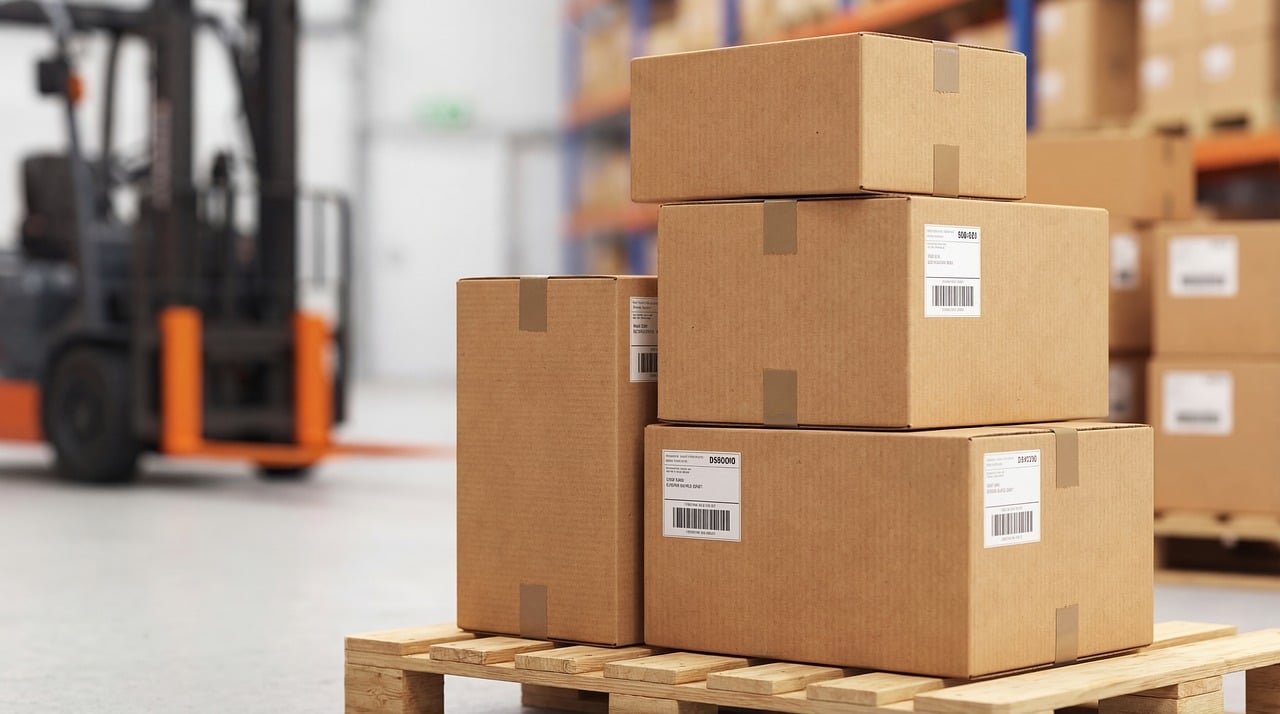

Understanding Next-Generation Distribution Centers
Distribution centers (DCs) have evolved significantly due to advancements in technology and the growing demands of e-commerce. Next-generation distribution centers represent a paradigm shift that prioritizes automation and operational efficiency. These contemporary facilities leverage cutting-edge technologies to streamline logistics, reduce costs, and improve service levels.
Key Technologies Driving Automation
-
Automated Storage and Retrieval Systems (AS/RS)
- AS/RS systems enable rapid retrieval and storage of goods without human intervention. These systems efficiently manage inventory by utilizing a variety of technologies, such as shuttles and robotic arms, to move products within the facility. The ability to operate 24/7 without breaks significantly boosts throughput and reduces labor costs.
-
Robotics and Automated Guided Vehicles (AGVs)
- Robotics plays a crucial role in modern DCs. AGVs transport goods between different areas of the warehouse. Equipped with sensors and advanced navigation capabilities, AGVs optimize the flow of products, minimizing the need for manual labor while ensuring precision and safety in material handling.
-
Internet of Things (IoT) Integration
- IoT devices provide real-time data collection and analysis, enabling smarter decision-making. RFID tags and sensors track inventory levels, environmental conditions, and equipment performance. This data can be used to optimize stock replenishment, monitor temperature-sensitive goods, and predict maintenance needs.
-
Artificial Intelligence (AI) and Machine Learning (ML)
- AI and ML algorithms analyze historical data to forecast demand trends and optimize warehouse operations. By predicting which items will be in demand, DCs can better manage inventory levels, ensuring faster order fulfillment and reducing excess stock.
Enhancing Efficiency Through Smart Design
-
Layout Optimization
- The design of a next-generation DC is critical for maximizing efficiency. Well-planned layouts reduce travel time for workers and automated systems alike. Zone-based picking strategies, where similar items are grouped together, mitigate unnecessary movement and streamline picking processes.
-
Vertical Space Utilization
- Smart racking systems and multi-tiered shelving allow for efficient use of vertical space. By increasing storage density, these systems enable DCs to house a larger inventory without expanding the physical footprint, contributing to lower operational costs.
-
Cross-Docking Operations
- Cross-docking minimizes storage time and maximizes delivery speed by directly transferring inventory from receiving to shipping. This strategy reduces holding costs and enhances the overall supply chain velocity, making it possible to respond swiftly to customer demands.
Workflow Automation
-
Automated Picking Systems
- Automated picking technologies, such as robotic picking arms and voice-directed picking systems, allow workers to pick items swiftly and accurately. By reducing manual errors and enhancing speed, these systems contribute significantly to operational efficiency.
-
Order Management Systems (OMS)
- Advanced OMS streamline the order processing workflow by automating tasks such as order prioritization, tracking, and inventory updates. This integration allows for a seamless flow of information between sales, warehousing, and delivery teams, improving overall efficiency and customer satisfaction.
-
Dynamic Slotting
- Dynamic slotting utilizes data analytics to optimize product placement based on demand patterns. High-velocity items are placed closer to shipping areas, while slower-moving items are stored further in the facility. This strategic positioning reduces picking times and expedites order fulfillment.
Energy Efficiency and Sustainability
-
Renewable Energy Sources
- Many next-generation DCs incorporate renewable energy technologies, such as solar panels and wind turbines, to reduce their carbon footprint. Utilizing renewable energy not only helps in reducing operational costs but also aligns with the growing consumer demand for sustainable practices.
-
Energy-Efficient Equipment
- The choice of equipment greatly influences a DC’s energy consumption. High-efficiency lighting systems, energy-saving HVAC units, and eco-friendly material handling equipment can significantly lower energy costs while also promoting an environmentally responsible image.
-
Waste Management Systems
- Next-generation DCs implement comprehensive waste management systems to reduce landfill usage. Practices such as recycling, composting, and optimizing packaging materials not only contribute to sustainability goals but can also result in cost savings.
Workforce Transformation
-
Reskilling and Upskilling Programs
- As automation technologies reshape the workforce, reskilling initiatives become crucial. Providing training in new technologies, data analytics, and robotics ensures employees can adapt and contribute effectively to a high-tech workplace.
-
Augmented Reality (AR) for Training and Efficiency
- AR technologies assist workers in navigating complex inventory systems, helping them learn processes more quickly and accurately. By overlaying digital information in real-time, workers can enhance their productivity and precision in tasks.
Challenges and Considerations
-
Initial Investment Costs
- The transition to a next-generation DC can be capital-intensive. Organizations must carefully evaluate the ROI of automation technologies against potential long-term savings and efficiency gains.
-
Change Management
- Implementing advanced technologies requires careful change management strategies. Leaders must address employee concerns, foster a culture of innovation, and encourage buy-in from all levels of the organization to ensure a smooth transition.
-
Cybersecurity Risks
- As DCs become increasingly connected, they face enhanced cybersecurity threats. Robust cybersecurity measures must be incorporated to protect sensitive data and maintain operational integrity.
Future Trends in Distribution Centers
-
Increased Personalization
- Future DCs are likely to emphasize personalized fulfillment strategies, enabling businesses to cater to unique consumer preferences while achieving operational efficiency through data-driven insights.
-
Integration of Blockchain Technology
- Blockchain offers possibilities for greater transparency and traceability in logistics. This technology could revolutionize supply chain processes by providing immutable records of product movement and ensuring authenticity.
-
Expansion of E-commerce Fulfillment Capabilities
- With the continued rise of e-commerce, DCs will need to evolve to accommodate smaller order sizes and faster delivery times. Increased automation will be necessary to handle the surge in online orders without compromising efficiency.
-
Globally Responsive Networks
- As global trade continues to evolve, next-generation DCs will need to adapt swiftly to changes in demand, regulation, and technology, creating dynamic networks capable of responding to market fluctuations.
By focusing on automation and efficiency, next-generation distribution centers are set to redefine the logistics landscape. These facilities not only improve operational effectiveness but also enhance customer satisfaction, positioning businesses for long-term success in a rapidly changing market.
