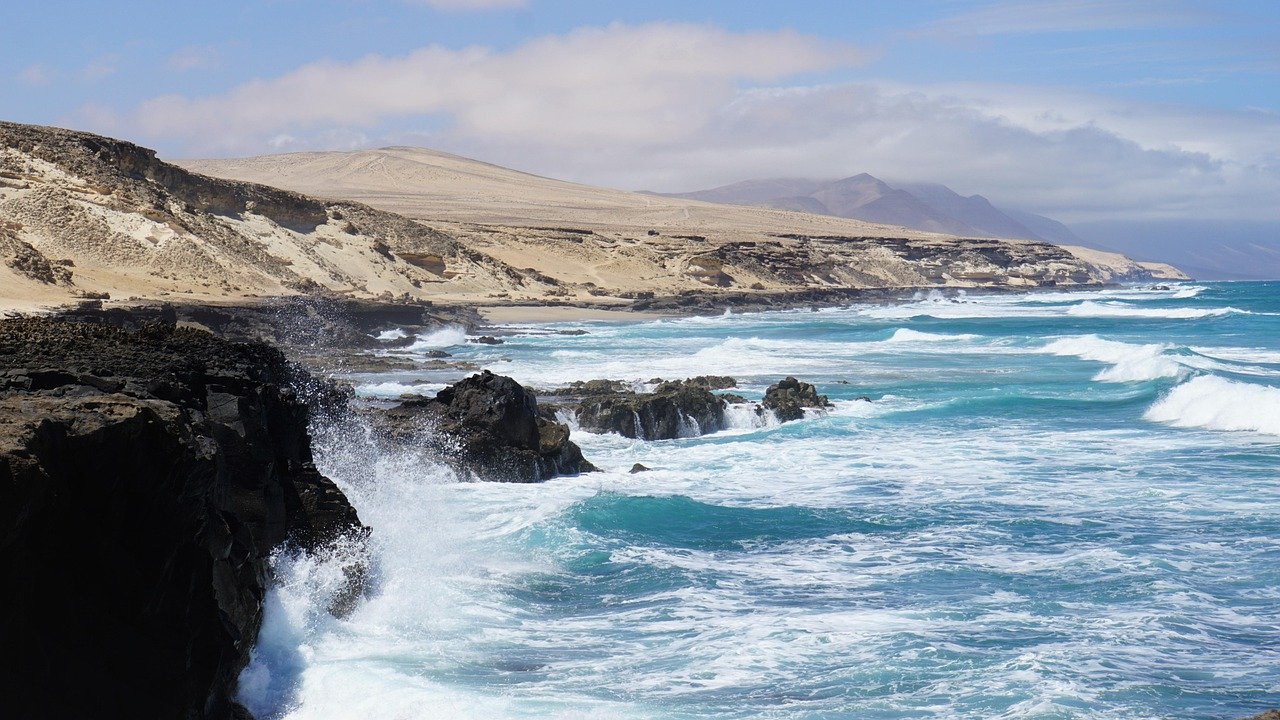

Rising Tide: The Impact of Climate Change on Hawaiian Real Estate Markets
Understanding the Risks of Climate Change
Hawaii is not only known for its breathtaking landscapes, tropical climate, and rich cultural heritage; it also faces significant threats from climate change. With rising sea levels, increased hurricane activity, and heightened flooding risks, the Hawaiian real estate market is entering uncharted waters. Identifying the specific implications of these environmental changes is paramount for homeowners, investors, and policymakers alike.
Sea Level Rise and Coastal Properties
Hawaii’s unique geography means that a large portion of its real estate is situated along coastlines. According to scientists, sea levels around Hawaii are projected to rise by at least one foot by 2030 and potentially by three feet by 2050. Properties along the beaches, which have traditionally been viewed as prime real estate, are becoming increasingly vulnerable to erosion and inundation.
A property survey conducted by the Hawaii Climate Change Mitigation and Adaptation Commission highlights that roughly 20% of Hawaii’s housing lies within 100 feet of the shoreline. This proximity poses a significant financial risk as insurance rates skyrocket, and property values may plummet, especially in low-lying areas.
Regulatory Changes and Compliance
As real estate markets begin to feel the pressure from climate change, regulations are evolving. Local and state governments are contemplating stringent building codes to mitigate risks associated with rising water levels. The City and County of Honolulu has already proposed policies to require new developments in at-risk areas to undergo comprehensive flood assessments.
Sellers may soon need to disclose whether a property is located in a flood zone. Potential homeowners should conduct thorough due diligence, including reviewing government hazard maps and understanding any future compliance requirements that could come into play.
Impact on Property Values
The immediate impact of climate change on Hawaiian real estate is primarily reflected in fluctuating property values. Homes in coastal regions may experience decreased market demand as potential buyers become wary of future flooding risks. Conversely, properties located further inland or elevated areas may see increased interest, driving up their prices.
Research from the National Oceanic and Atmospheric Administration (NOAA) suggests that homes at risk from sea-level rise are losing value at an alarming rate. Those with waterfront views, while coveted, may also become cost-prohibitive due to insurance hikes and increased financing risks.
Real estate investors need to assess the potential for both short-term gains and long-term sustainability. Areas that are currently undervalued but resilient to climate impacts may present lucrative investment opportunities.
Insurance Trends in Hawaii
With the climate crisis affecting Hawaiian real estate, the insurance landscape is also changing. Insurance companies are reevaluating risk assessments, leading to increased premiums and restricted coverage for coastal properties. Residents in flood-prone areas may find it difficult to secure affordable homeowner’s insurance, prompting many to rely on governmental aid programs or risk not being covered at all.
In the wake of natural disasters, we’ve seen a marked increase in claims from policies issued for properties that were once deemed secure. These trends raise concerns about the viability of homeownership in coastal regions, as insurance becomes less accessible and more expensive.
Resilient Development Trends
As awareness of climate risks grows, so does the emphasis on sustainable building practices. Developers are increasingly focusing on creating resilient structures that can withstand extreme weather conditions. This includes using materials that can repel water and designing landscapes that can absorb excess rainfall.
Innovative construction techniques, such as elevated foundations and natural landscaping, not only reduce the immediate environmental impact but also appeal to eco-conscious buyers. Communities that prioritize resilience and sustainability are likely to attract premium prices in the long-term.
The Economic Ripple Effect
The ramifications of climate change on the real estate market extend beyond property values. An economic ripple effect occurs when coastal properties decline, impacting local economies reliant on tourism and real estate-related services. As fewer people choose to invest in or vacation in these vulnerable areas, businesses may struggle, further destabilizing the local job market.
Shifting patterns in tourism could also shape demand for real estate, as visitors may gravitate toward more stable destinations. The allure of Hawaii’s pristine landscapes will endure, but the imbalance between environmental sustainability and economic viability must be addressed to maintain a healthy real estate market.
Community Response and Adaptation Initiatives
Local communities are responding to the challenges posed by climate change with various adaptation initiatives. Grassroots programs aimed at enhancing community resilience are becoming increasingly prevalent. For example, organizations focused on preserving Hawaii’s natural ecosystems, like mangroves and coral reefs, aim to mitigate the impact of climate change on vulnerable coastal properties.
Public discussions and planning sessions, often led by local coalitions, are crucial for engaging residents in proactive solutions. These dialogue platforms empower citizens to voice their concerns and collaborate on protective measures, generating community support for environmentally responsible real estate policies.
The Influence of Technology
Technology plays a vital role in addressing the challenges imposed by climate change on the Hawaiian real estate market. Innovations in data collection, analysis, and climate modeling provide insights for homeowners, investors, and policymakers to make informed decisions.
Smart home technology is also being more widely adopted in Hawaii. Eco-friendly amenities such as solar panels and energy-efficient systems are increasingly desirable amongst buyers who wish to reduce their carbon footprint and adapt their living spaces to a changing climate.
Future Projections for Hawaiian Real Estate
The future of Hawaiian real estate is at a critical juncture as climate change reshapes the landscape. A proactive approach to risk assessment, sustainable development, and community engagement is essential to safeguard Hawaii’s iconic properties. Market players must remain cognizant of evolving regulations and insurance trends while positioning themselves strategically for a world where climate resilience is paramount.
The legacy of Hawaii’s real estate markets depends not just on their aesthetic appeal but on their capacity to adapt to the realities imposed by climate change. By embracing innovative solutions and sustainable practices, stakeholders can forge a path toward a resilient, thriving future for Hawaiian real estate.
