
Robotics in America’s Industrial Zones
The Rise of Robotics
Industrial robotics began gaining traction in the late 1950s with the invention of the Unimate, a robot designed for handling materials on production lines. Over the decades, advances in technology have propelled robotic applications across various sectors, especially in manufacturing, which has drastically reshaped industrial zones throughout the United States. Robotics enhances operational efficiency, reduces labor costs, and improves product quality, prompting industries to adopt robotic systems.
Key Robotics Technologies
1. Articulated Robots:
These are widely used due to their versatility and dexterity. Composed of rotary joints, articulated robots can perform complex tasks—such as welding, painting, and assembly—effectively, making them a staple in automotive manufacturing.
2. Collaborative Robots (Cobots):
Cobots work alongside human workers, sharing workspace and interacting safely. Their flexibility and ease of programming allow manufacturers to integrate them into existing lines without significant infrastructural changes.
3. Autonomous Mobile Robots (AMRs):
AMRs are transforming logistics within industrial zones. Capable of navigating through dynamic environments, they can transport materials, thereby streamlining supply chains and reducing delivery times.
Impact on Employment
The integration of robotics into industrial operations has sparked debate about job displacement versus job creation. While some traditional roles may vanish, robotics has also led to the emergence of new job categories focusing on robot maintenance, programming, and oversight. According to the World Economic Forum, the rise in automation is expected to create 97 million new roles by 2025, requiring workers to adapt and develop new skills.
Evolution of Industrial Zones
The past few decades have witnessed the evolution of industrial zones from traditional factories to sophisticated smart manufacturing hubs.
1. Legacy Manufacturing Hubs:
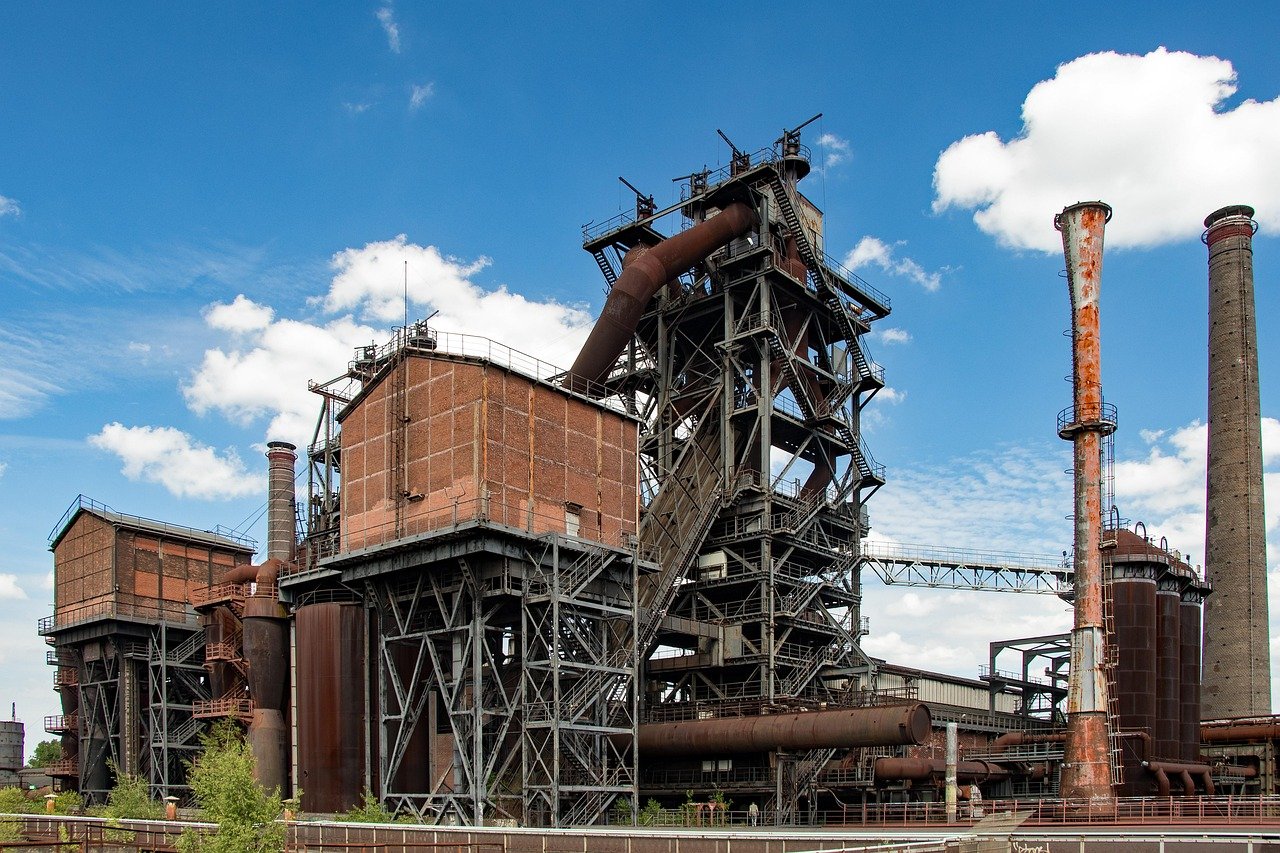
Regions like the Rust Belt, historically vital to America’s steel and automobile industries, illustrate the challenges faced by industrial zones. As automation intensified, many factories shuttered, leading to substantial economic decline in these areas.
2. Technology-Driven Industrial Zones:
In contrast, states like California and Texas have transformed into tech-oriented industrial zones. Silicon Valley serves as a research and innovation base for robotics and AI, fostering collaborations between universities, research institutions, and industries.
The Smart Manufacturing Revolution
The Fourth Industrial Revolution, characterized by IoT, big data, and advanced robotics, is reshaping American factory floors. Smart manufacturing promotes interconnected equipment that gathers and analyzes data, facilitating predictive maintenance and improved production scheduling.
1. Enhanced Production Processes:
Factories employing advanced robotics harness real-time data to optimize operations, reducing waste and downtime. Predictive analytics assists in anticipating equipment failures, ensuring uninterrupted production cycles.
2. Customization and Flexibility:
With robots that learn from experience, manufacturers can offer personalized products instead of mass-produced items. This adaptability helps companies stay competitive in a rapidly changing consumer market.
The Role of Education and Workforce Development
To keep pace with the rise of robotics, educational institutions are revising curricula to include more STEM (Science, Technology, Engineering, and Mathematics) programs. Partnerships between community colleges, trade schools, and businesses create training programs that fix the skills gap and prepare the workforce for future demands.
Apprenticeship models offer hands-on training in robotics, ensuring that workers are adept at not only operating machines but also understanding their underlying technology.
Economic Implications
The economic impact of robotics on industrial zones in America is profound. Increased productivity and efficiency have potentially led to an increase in GDP in sectors heavily reliant on manufacturing. By automating mundane tasks, businesses can allocate human resources to innovative projects that might drive growth further.
Investment in robotics technology signifies a future-oriented mindset. Cities and regions that embrace robotics will likely attract manufacturers looking for modernized supply chains and efficient production methods. Conversely, areas slow to adapt may experience declining industrial activity.
Case Studies
1. Tesla in California:
Tesla’s Gigafactory exemplifies the integration of robotics into an industrial zone. The factory employs a mix of state-of-the-art robotic systems alongside human workers to optimize battery production. Tesla’s commitment to automation showcases the potential for scalability and innovation in automotive manufacturing.
2. Amazon and Warehousing Automation:
Amazon’s logistics and fulfillment centers leverage robotics to achieve rapid order processing and inventory management. Kiva robots in warehouses facilitate the movement of goods, enabling same-day shipping options.
Challenges and Considerations
Despite the advantages, the evolution of robotics in industrial zones is not without challenges.
1. Initial Investment Costs:
The high upfront costs of robotic systems can deter smaller companies. However, many find that the long-term savings and efficiency gains outweigh these initial expenditures.
2. Cybersecurity Risks:
With increased connectivity of robotic systems comes heightened cybersecurity threats. Industrial automation must incorporate robust cybersecurity measures to protect sensitive data and operations.
3. Regulatory Frameworks:
As robotics further permeate industrial zones, regulatory frameworks will need to adapt. Policymakers must balance fostering innovation with ensuring safety and ethical standards.
Future Trends
As we look ahead, several trends are expected to shape the future of robotics in industrial zones:
1. Advanced AI Integration:
The continued integration of AI in robotics will result in more autonomous and intelligent systems. Predictive algorithms can enhance decision-making in manufacturing processes.
2. Sustainability Initiatives:
Innovations in robotics are also moving towards sustainability. Manufacturers are investing in energy-efficient robotic systems and exploring ways to reduce the carbon footprint of industrial operations.
3. Global Competitiveness:
As countries worldwide race to enhance their robotic capabilities, American industries must innovate continually to maintain global competitiveness. Collaborations among businesses, educational institutions, and government agencies will be essential to fostering an environment ripe for technological advancement.
Conclusion
The transformation of industrial zones in America due to robotics heralds a new era in manufacturing efficiency, employment debates, and economic growth. Adapting to these changes will pave the way for a more skilled workforce, new business opportunities, and a competitive landscape in the global market. As technology progresses, the interplay between robotics and industrial operations will undoubtedly shape the future of American manufacturing.
