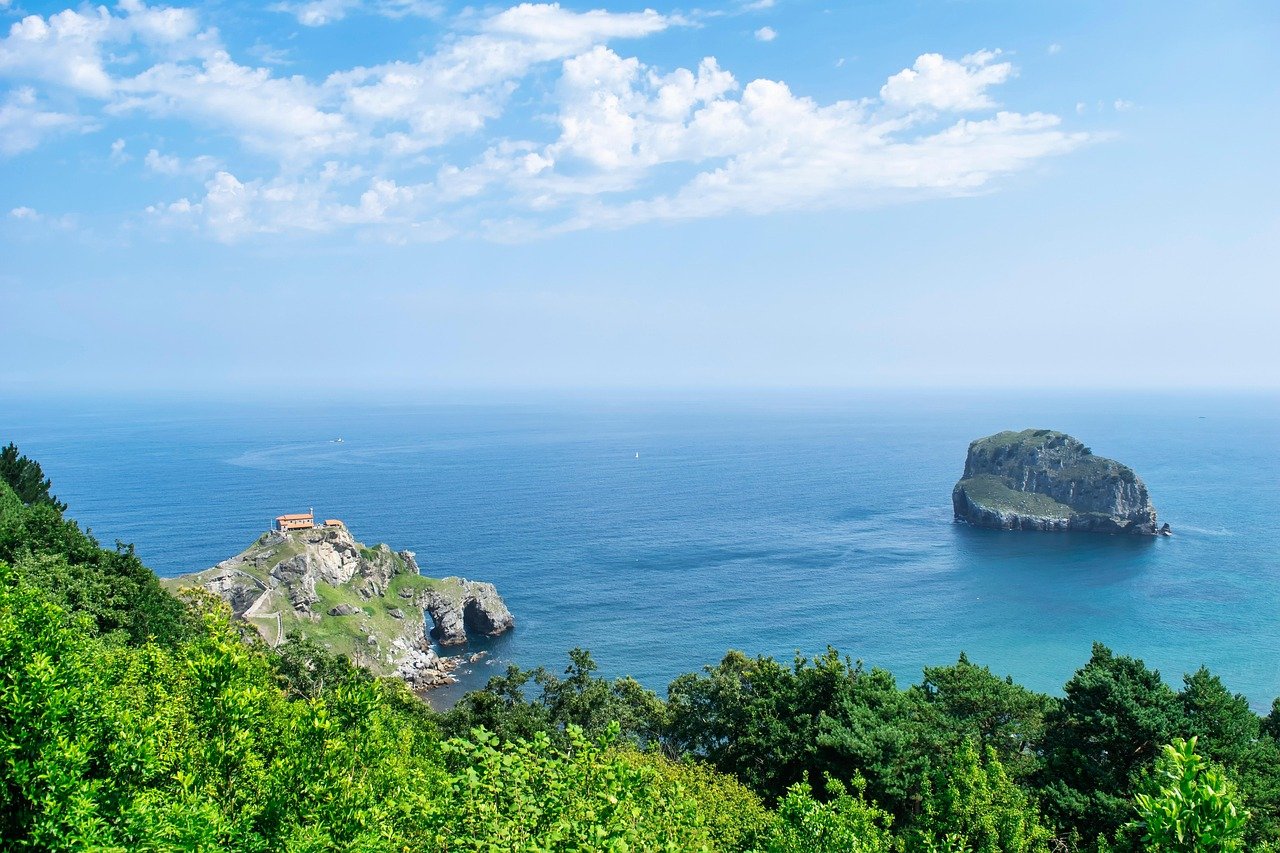

Spotlight on Hawaii: Recent Real Estate Investments and Construction Projects
Hawaii’s real estate landscape is being transformed, attracting local and international investors drawn by its natural beauty, favorable climate, and vibrant culture. The recent surge in real estate investments across the islands is bolstered by favorable economic conditions, demographic trends, and relatively low housing inventory. This article delves into the monumental construction projects and strategic investments reshaping Hawaii’s real estate market.
1. Key Investment Areas
1.1 Oahu Real Estate Boom
Oahu remains the focal point for real estate investments due to its significant population and economic activity. The island’s urban center, Honolulu, is seeing substantial developments, particularly in residential and mixed-use projects. Key investments include luxury condominiums and apartments designed to accommodate the growing influx of remote workers and new residents.
1.2 Maui Mixed-Use Developments
Maui has embraced mixed-use developments that blend residential, commercial, and recreational spaces, presenting unique living experiences within vibrant communities. The recent construction of projects like the Ho’oluana at the Beach is an excellent example, offering both long-term rentals and vacation options, capturing interest from both investors and potential homeowners.
1.3 The Big Island’s Investment Opportunities
The Big Island, while less densely populated, is witnessing a surge in investment interest due to its vast expanses of undeveloped land. Projects like the Puʻu Kukui Watershed Preserve are not only attracting investors for residential development but are also focusing on sustainability, aligning with increasing consumer demand for eco-friendly housing options.
2. Major Construction Projects
2.1 Brooklyn Bay Construction in Kapolei
The Brooklyn Bay project in Kapolei, Oahu, is one of the largest residential communities currently under construction. The project comprises over 1,500 single-family homes and townhouses, designed for families and young professionals attracted to Kapolei’s growing economy. With state-of-the-art amenities, parks, and schools, Brooklyn Bay aims to create a comprehensive community experience.
2.2 Kaka’ako District Redevelopment
The Kaka’ako district in Honolulu is undergoing a radical transformation, shifting from industrial to a vibrant residential and commercial hub. The development of high-rise apartments like The Collection and Aalii has amplified interest in the area, with its proximity to the waterfront and urban lifestyle. Investors are capitalizing on the demand for modern living spaces, emphasizing walkability and accessibility.
2.3 Wailea Resort Expansion
In Maui, the Wailea resort area is seeing significant expansion with the development of luxury condominiums and real estate aimed at high-net-worth individuals. Projects such as the Wailea Resort Community are focused on creating exclusive living spaces that blend luxury with local culture, appealing to affluent buyers from the mainland.
3. Sustainability and Green Building Initiatives
3.1 Eco-Friendly Developments
Hawaii’s real estate market is increasingly focusing on sustainability. Notable developments incorporate green building practices, targeting LEED certification and employing renewable energy solutions. The Aloha+ Challenge aims to create homes that reduce energy consumption and incorporate innovative materials, showcasing Hawaii’s commitment to environmental stewardship.
3.2 Smart Home Technologies
Investors are also exploring smart home technologies in new constructions. These technologies not only enhance living experiences through energy efficiency but also improve property valuation. Homes equipped with advanced security systems, smart thermostats, and energy-efficient appliances are becoming highly sought after by tech-savvy buyers.
4. Financing and Economic Impacts
4.1 Private and Foreign Investment
Private funding and foreign investment play crucial roles in Hawaii’s booming real estate market. Significant amounts of capital flow from mainland investors and international buyers, particularly from Asia and the Pacific region. This influx of money is rapidly accelerating construction projects across various islands, stimulating local economies and creating jobs.
4.2 Impact of Tourism and Remote Work
Hawaii’s tourism sector is rebounding, further fueling demand for real estate. Additionally, the rise of remote work has increased interest in vacation properties and second homes, prompting new developments in less populated areas and boosting the luxury market. Investor interest in Airbnb-style rentals has surged, especially in areas with substantial tourism traffic.
5. Legislative Changes Affecting Real Estate
5.1 Zoning Reforms
Recent zoning reforms have been enacted to accelerate housing development. New policies facilitate faster approval processes for residential projects, particularly in urban areas like Honolulu. These reforms are essential to address the ongoing housing shortage while maintaining a balance between development and environmental preservation.
5.2 Affordable Housing Initiatives
Efforts to combat the housing crisis in Hawaii have resulted in increased funding for affordable housing projects. The Hawaii Housing Finance and Development Corporation is ramping up its focus on creating low and moderate-income housing, addressing the growing need for affordable options in both urban and rural settings.
6. The Future of Real Estate in Hawaii
The trajectory of Hawaii’s real estate market indicates a continued upward trend, supported by strong demand from both local and overseas buyers. The developments across the islands are not just shaping the physical landscape but also fostering a diverse, robust economy poised for growth. As the state adapts to economic conditions, changing demographics, and sustainability challenges, the investment landscape may evolve to meet residents’ and investors’ future needs.
Investors looking to capitalize on Hawaii’s real estate market must remain informed of ongoing changes, including construction timelines, new policies, and emerging consumer trends. With appropriate strategies, Hawaii’s dynamic market offers potential rewards for those willing to navigate its complexities and contribute to the islands’ vibrant communities.
