
Understanding the Current Market Dynamics
Understanding the local real estate market is the first step to selling your home quickly. Each market has its unique characteristics, ranging from buyer demand to economic conditions. Research recent sales in your neighborhood to gauge the competition. Look for homes similar to yours in size, features, and location, and note their selling prices. Websites like Zillow, Realtor.com, and local MLS listings provide valuable insights.
Pricing Your Home Competitively
Setting the right price can significantly impact how quickly your home sells. Overpricing your property often leads to extended listing times, while pricing too low can undervalue your home. Utilize a comparative market analysis (CMA) to find a competitive price point. Consider enlisting a real estate agent with expertise in your market for objective feedback. Remember, buyers often perceive homes priced just below a round number (e.g., $299,000 instead of $300,000) as more attractive.
Enhancing Curb Appeal
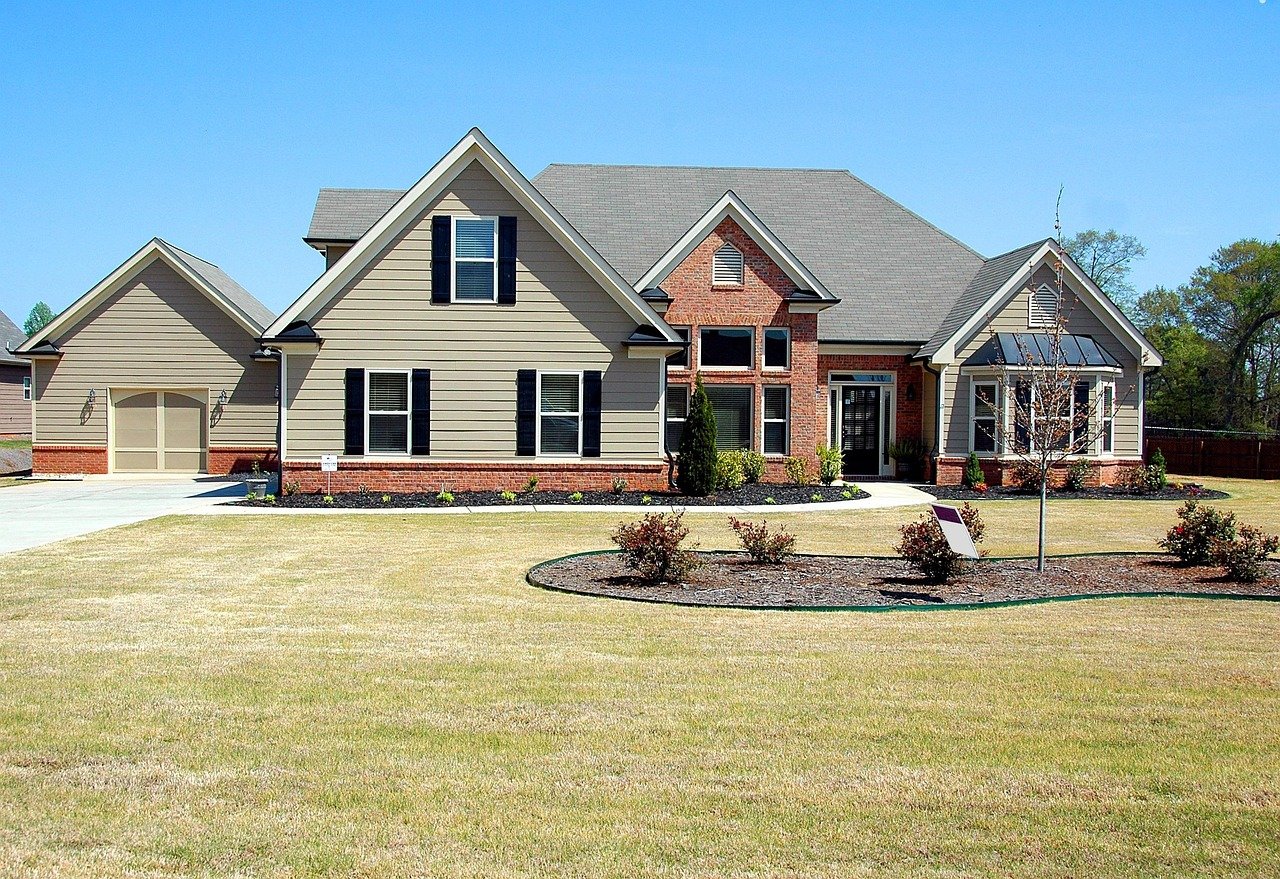
First impressions matter. Improving your home’s curb appeal can attract more potential buyers. Start with simple landscaping—mow the lawn, trim hedges, and add colorful flowers to the exterior. Consider repainting your front door a bold color, which can serve as an inviting focal point. Additionally, ensure the walkways are clean and well-maintained. A welcoming entrance can significantly influence a buyer’s perception of the property before they even step inside.
Staging Your Home Effectively
Home staging has been shown to shorten the time a home remains on the market. Remove personal items such as family photos and memorabilia to allow buyers to envision themselves in the space. Rearranging furniture to create a more open and inviting layout can help maximize space. Use neutral colors for painting, as this can appeal to a broader audience. Hiring a professional stager can be an investment that pays off by making your home more attractive and sellable.
Optimizing Online Listings
In today’s digital age, a significant portion of buyers begins their search online. Ensure your online presence is optimized by using high-quality photos that showcase your home’s best features. Consider hiring a professional photographer, as they can capture your property in the best light. Craft a compelling, keyword-rich listing description that highlights major selling points. Mention nearby amenities such as schools, parks, shopping, and public transport, which can entice buyers.
Leveraging Social Media and Online Marketing
To reach a wider audience, leverage social media platforms to market your home. Create engaging posts featuring high-quality images and share them on Facebook, Instagram, and Twitter. Use relevant hashtags to increase visibility. You might also consider paid ads to target specific demographics, such as first-time homebuyers or families. Collaborate with local influencers or real estate agents who can help promote your property, reaching potential buyers within their networks.
Hosting Open Houses and Showings
Organizing an open house can draw potential buyers in a low-pressure environment. To maximize attendance, choose a weekend when most people are available. Provide refreshments and create an inviting atmosphere. Ensure that the house is clean and clutter-free, and consider having informative brochures available that highlight the property’s features and neighborhood amenities.
For private showings, ensure your home is well-maintained and smells pleasant. This can enhance the overall viewing experience. Be flexible with showing times to accommodate potential buyers’ schedules. If possible, try to vacate the home during showings to allow buyers to feel more comfortable discussing the property.
Considering Pre-inspections
Prior to listing your home, consider having a pre-inspection done. This can identify potential problems that could delay a sale or encourage buyers to negotiate downwards. Addressing these issues beforehand can smooth the transaction process and enhance buyer confidence. Provide a copy of the inspection report to prospective buyers as an added reassurance.
Including Incentives for Buyers
Offering incentives can set your property apart from the competition. Consider including a home warranty to cover potential repair costs or offering to cover closing costs. For buyers concerned about finances, these incentives can alleviate some of the burdens, making your home more appealing.
Utilizing the Right Agents and Networks
Partnering with a reputable real estate agent familiar with your local market can be invaluable. A knowledgeable agent brings valuable insights, marketing strategies, and negotiation skills to the table. Before hiring an agent, conduct interviews to gauge their experience, marketing approach, and communication style. They can help you navigate complexities and provide useful insights to sell your home faster.
Home Improvements and Repairs
Investing in small home improvements can have a significant return on investment. Focus on cost-effective upgrades such as fresh paint, updated lighting fixtures, or minor kitchen and bathroom remodels. Ensure that all necessary repairs are completed, as buyers are likely to be deterred by issues like plumbing leaks or damaged tiles. Avoid over-improving your home, as excessive renovations may not yield the expected return.
Timing the Market Right
Understanding market cycles can greatly affect how quickly your home sells. Homes often sell faster in spring and summer when buyers are more active. However, consider your local market dynamics. If inventory is low during winter months, your home could gain more attention, leading to a faster sale. Monitor market trends and work collaboratively with your agent to list your property at an optimal time.
Networking with Potential Buyers and Brokers
Utilize your personal and professional networks to spread the word about your home sale. Share with friends, family, and coworkers that your home is on the market. Networking can lead to potential leads; sometimes, the best buyer is someone within your circle or their acquaintances. Attend local community events and engage with brokers who may have interested clients looking for homes.
Being Flexible with Offers
Remain open and flexible when it comes to offers. In a competitive market, price isn’t the only factor; terms like closing dates, contingencies, and financing options can play a significant role in the attractiveness of an offer. If you receive multiple offers, consider all terms to determine which one best fits your needs and circumstances. Being willing to negotiate can help you secure a sale faster.
Understanding Legalities and Documentation
Prepare all necessary documents ahead of listing your home. This includes title documents, property disclosures, and any related insurance details. Ensuring that you have everything ready can expedite the closing process once an offer is accepted. Familiarize yourself with local regulations and disclosures required when selling property in your state. Engaging an attorney who specializes in real estate can provide peace of mind as you navigate the selling process.
Being Prepared for Appraisals and Inspections
Ready your home for appraisals and inspections by ensuring it is clean and well-maintained. Have all relevant information, such as past improvement receipts or warranties available for the appraiser. Understand the appraiser’s expectations to maximize your home’s potential value. Though both processes can seem intimidating, being well-prepared helps instill buyer confidence and can ultimately lead to a faster sale.
Utilizing Temporary Rentals
If your home is not attracting offers as quickly as expected, consider temporarily renting it out. This can help generate income while you wait for the right buyer. Being a landlord can be complex, so if you pursue this route, ensure that you comply with local regulations and prepare for tenant management, including maintenance requests and potential repairs.
Utilizing Technology to Your Advantage
Incorporate technology in your selling strategy by listing on multiple real estate sites and utilizing tools like virtual tours. A 3D virtual tour allows potential buyers to explore your home remotely, thus attracting more interest, especially from those unable to visit in person.
Staying Patient and Positive
Finally, remain patient and maintain a positive attitude throughout the selling process. Real estate transactions can take time, and it’s essential to stay motivated. Keep open communication with your agent and be willing to adapt your strategies based on market feedback. Remember that selling your home is a significant milestone, and patience can lead to a successful outcome.
