
Sustainability in Commercial Property: How Green Buildings are Shaping Investments
Understanding Green Buildings
Green buildings are designed to reduce the overall impact of the built environment on human health and the natural environment throughout the life cycle of a building. This includes sustainable site development, water savings, energy efficiency, material selection, and indoor environmental quality. The term is often associated with value-enhancing properties that are not only energy-efficient but are also potentially less costly to operate due to lower utility bills.
The Rise of Sustainable Practices
In recent years, the commercial real estate sector has increasingly adopted sustainability practices. By 2023, global investors are prioritizing green investments, driven by an increased awareness of climate change and the economic savings associated with energy-efficient buildings. This shift is influenced by governmental policies, stakeholder pressure, and shifting consumer preferences, which have contributed to the rise of the green building industry.
Regulatory Frameworks and Policies
Government regulations play a crucial role in promoting sustainability within commercial properties. Various jurisdictions have established incentives, tax breaks, and compliance requirements focused on energy efficiency and green certifications such as LEED (Leadership in Energy and Environmental Design). The push for stricter building codes and environmental compliance encourages developers to embrace sustainable practices from the onset.
Economic Benefits of Green Buildings
Investing in green buildings offers various economic benefits. Research indicates that energy-efficient buildings not only lower operational costs but also improve asset value. A survey from the Urban Land Institute reveals that 76% of investors believe sustainable buildings can enhance marketability. Moreover, occupants increasingly favor spaces with lower carbon footprints, resulting in higher demand for sustainable commercial properties.
Increased Occupancy Rates
Green buildings often enjoy higher occupancy rates compared to conventional properties. This can largely be attributed to the growing demand from tenants who prioritize sustainability. Businesses aim to enhance their corporate social responsibility (CSR) image, and occupying a green building helps them achieve their sustainability goals. Furthermore, tenants experience improved indoor air quality, which leads to higher employee satisfaction and productivity, making green buildings more appealing.
Energy Efficiency Innovations
Technological advancements have paved the way for innovative solutions that enhance energy efficiency in commercial properties. Smart building technologies, like IoT devices, AI-managed energy systems, and smart meters, allow for real-time monitoring and optimization of energy use. These technologies not only contribute to reduced energy consumption but also provide property managers with data-driven insights that inform operational decisions.
Water Conservation Techniques
Green buildings prioritize water conservation, implementing sustainable landscaping, rainwater harvesting systems, and low-flow fixtures. This focus on water efficiency contributes to overall sustainability and helps in reducing operational costs. Furthermore, properties that exhibit superior water conservation techniques are increasingly gaining favor among investors who recognize the financial and environmental benefits.
Sustainable Materials and Construction Practices
Another key component of green buildings is the use of sustainable materials. Developers are gravitating towards renewable resources and recyclable materials in their construction practices. The use of local materials minimizes transportation emissions and supports regional economies. Additionally, construction practices that adhere to sustainability principles reduce waste and enhance the building’s life cycle.
Long-Term Value and Depreciation
Investors are increasingly aware that green buildings often hold their value better over time compared to traditional properties. According to a study by the World Green Building Council, green buildings experience less depreciation and offer better returns on investment. This is due in part to increased demand, heightened tenant satisfaction, and stricter future regulations regarding environmental standards. As sustainability becomes integral to business operations, properties with superior environmental performance are positioned to outperform their conventional counterparts.
Case Studies of Successful Green Developments
Numerous commercial properties have successfully implemented green building initiatives that showcase the potential of sustainability in real estate investments. The Edge, located in Amsterdam, is a prime example. This state-of-the-art office building integrates renewable energy sources, advanced technology, and sustainable design principles, serving as a benchmark for innovative green development. Similarly, the Bullitt Center in Seattle, dubbed the “greenest commercial building in the world,” generates more energy than it consumes, illustrating the heights of sustainability achievable in commercial real estate.
The Role of Certifications and Labels
Green certifications such as LEED, BREEAM, and ENERGY STAR are crucial in establishing a building’s sustainability credentials. These labels provide transparency to investors regarding a property’s environmental impact and operational efficiency. Properties that achieve these certifications often benefit from higher occupancy rates, as tenants seek assurance of sustainability and lower operational risk. Furthermore, certification can enhance property marketability and command premium leasing rates, making it a valuable tool for investors.
Future Trends in Sustainable Commercial Property
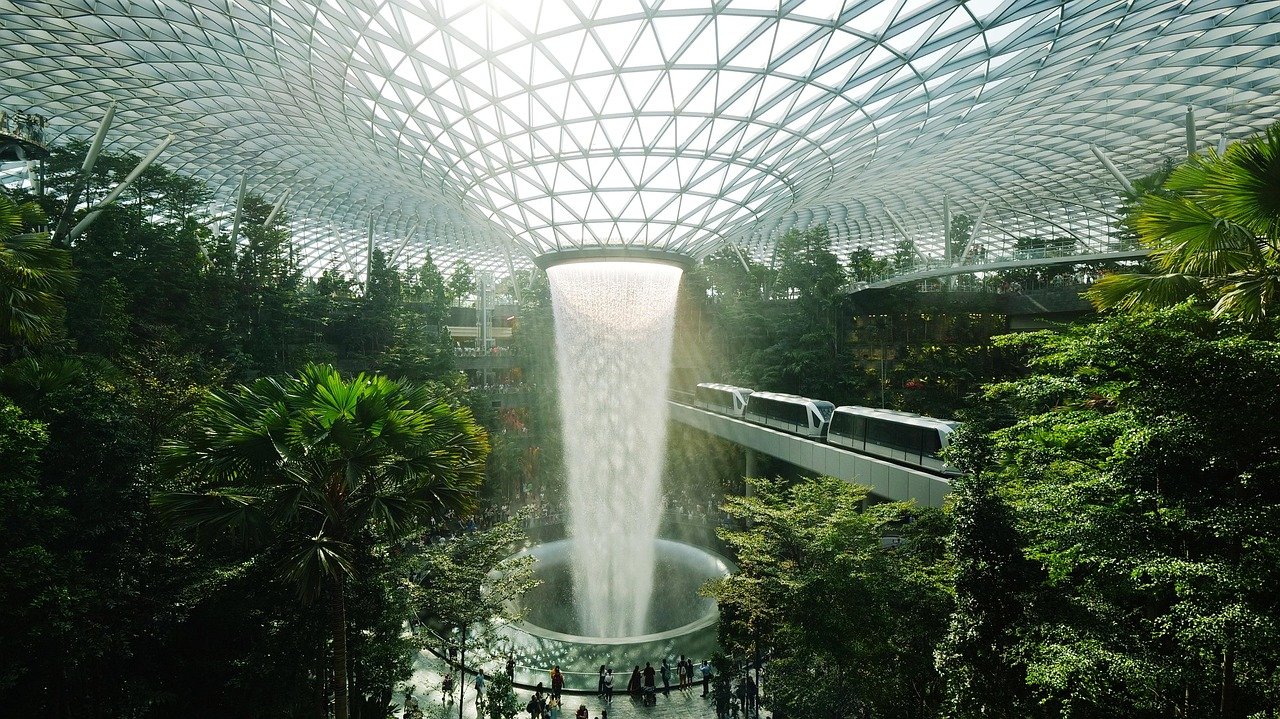
As global climate commitments strengthen, future trends suggest an even greater emphasis on sustainability in commercial property. Biophilic design, which incorporates natural elements into the built environment, is becoming increasingly popular as a means to enhance tenant well-being. Additionally, developers are exploring modular construction methods and net-zero emissions targets, aiming to create buildings that are entirely self-sufficient.
Conclusion
The evolving landscape of commercial real estate is being profoundly influenced by sustainability practices. Investors are recognizing the long-term value of green buildings as societal values shift toward environmental responsibility. From enhanced marketability to decreased operating costs, the momentum behind green buildings is set to shape the future of commercial property investments in line with sustainability goals.
