
The Effects of Climate Change on Island Infrastructure and Development
Understanding Climate Change in Island Regions
Climate change represents an unprecedented challenge for island nations and territories, encapsulated by rising sea levels, increased frequency of severe weather events, and changing weather patterns. The unique geographical and ecological characteristics of islands heighten their vulnerability, making it essential to examine how these phenomena affect infrastructure and development.
Rising Sea Levels: A Direct Threat
One of the most direct effects of climate change is the rise in sea levels, primarily driven by the melting of polar ice caps and thermal expansion of seawater. For many island nations, which are often situated just a few meters above sea level, even a slight increase can have disastrous consequences.
Infrastructure such as roads, bridges, and public facilities may be inundated, leading to significant economic losses. Coastal erosion is another concern; as shorelines recede, valuable land and infrastructure are compromised, necessitating expensive mitigation measures like seawalls or artificial reefs.
Increased Frequency of Extreme Weather Events
Climate change has been linked to an uptick in extreme weather phenomena, including hurricanes, typhoons, and tropical storms. Islands frequently face the brunt of these harsh conditions, leading to widespread damage to vital infrastructure such as power grids, communication networks, and transportation systems.
Storm surges can lead to catastrophic flooding and destruction of buildings. Low-lying islands, particularly, suffer not only from immediate damage but also longer-term infrastructural challenges, requiring extensive rebuilding efforts. This unpredictability makes long-term planning exceedingly difficult for governments and stakeholders.
Impact on Transportation Infrastructure
The transportation infrastructure in island regions is critically important for connectivity and trade. Increasing sea levels and severe storms threaten ports, airports, and road networks. A study conducted by the International Maritime Organization (IMO) emphasizes that port facilities are particularly at risk due to rising waters and more severe storms, affecting shipping activities vital for economic stability.
As climate-induced events disrupt regular shipping routes, supply chains face significant challenges, including delayed shipments and increased costs. These disruptions can lead to reduced access to essential goods and services, influencing local economies and overall quality of life.
Energy Infrastructure Vulnerabilities
Islands often depend on imported fossil fuels or limited renewable energy sources, making them especially vulnerable to climate change impacts on energy infrastructure. Rising sea levels can inundate power plants located along coastlines, while extreme weather can result in widespread outages. For example, the devastation of Puerto Rico’s power grid during Hurricane Maria highlighted the fragile state of energy infrastructure in island locales.
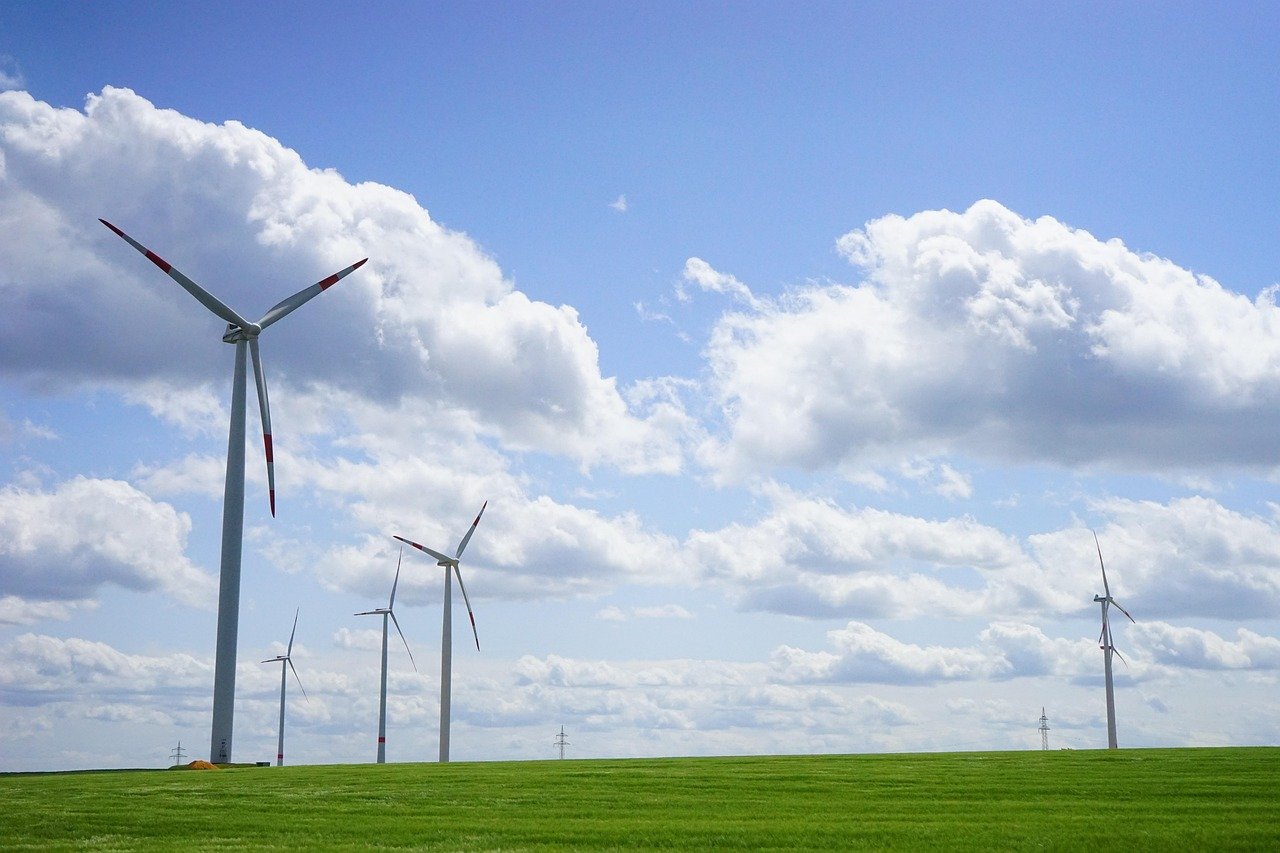
The transition to renewable energy sources is a potential solution but comes with its own set of challenges. Effective implementation requires significant investment in technology and infrastructural upgrades, including resilient solar and wind energy systems capable of withstanding harsher weather conditions.
Water Resources and Infrastructure Stress
Water supply systems on islands are particularly vulnerable to climate change, with rising temperatures increasing evaporation rates and altering rainfall patterns. In regions reliant on rainfall for freshwater, droughts pose a grave risk not just to sanitation systems but also to agriculture and human health.
Investments in freshwater management infrastructure, such as reservoirs and desalination plants, become paramount but are often cost-prohibitive for smaller island nations. Failure to adapt water infrastructure can lead to water scarcity, potentially igniting conflicts over resource distribution.
Economic Ramifications of Infrastructure Damage
The economic implications of climate change on island infrastructure are profound. Damage to transport, energy, and water supply systems generates substantial repair costs. In addition to immediate financial strains, the long-term viability of tourism—an economic lifeline for many islands—is jeopardized when natural attractions are damaged or rendered inaccessible.
Insurance premiums for property and businesses are likely to rise, further burdening local economies. Additionally, governments may reallocate funds from development projects to address climate-induced damage, stunting long-term growth and infrastructure advancement.
Social and Community Impacts
On a social level, the deterioration of infrastructure can exacerbate inequalities in island communities. Vulnerable populations, including low-income families and indigenous groups, often lack the resources to recover from climate-induced disasters. As public services become strained, access to healthcare, education, and social services can diminish, leading to increased disenfranchisement.
Community resilience programs may require development to improve adaptive capacity, but these initiatives often lack funding or governmental support in the face of immediate economic concerns. Social structures may dissolve under the weight of these crises, leading to population displacement and loss of cultural identity.
Technological Innovations and Solutions
Innovation presents a pathway to address these challenges, with numerous technological advancements designed to fortify infrastructure against climate change effects. Climate-resilient construction materials and smart systems for renewable energy deployment can enhance resilience.
Coastal and urban planning must emphasize sustainable designs that respect natural ecosystems, integrating green spaces and considering the implications of rising sea levels. Initiatives like elevating buildings or constructing floating homes have emerged as adaptive designs in some areas.
Public-private partnerships have been highlighted as effective in mobilizing disaster relief and infrastructural improvements. Collaborative approaches can facilitate technical expertise and funding, leading to more sustainable development models that prioritize long-term climate resilience.
Policy and Governance Considerations
Effective governance is critical in addressing the intersection of climate change, infrastructure, and development. Policymakers need to adopt integrated policy frameworks that emphasize climate adaptation and disaster risk reduction. Clearly defined roles for government, NGOs, and communities can foster coordinated efforts in improving infrastructure.
International collaboration is also vital. Global financing mechanisms, such as the Green Climate Fund, aim to support vulnerable nations in realizing their climate adaptation strategies. Engagement in international climate agreements can enhance the capacity of islands to forge domestic policies reflecting their unique vulnerabilities and aspirations.
Conclusion
Understanding the effects of climate change on island infrastructure and development is vital for creating responsive systems and resilient communities. By embracing innovative solutions and collaborative efforts, islands can work towards sustainable development that addresses immediate challenges while anticipating future risks. Through focused investment in resilient infrastructure and community engagement, islands can navigate the realities of climate change while safeguarding their futures.
