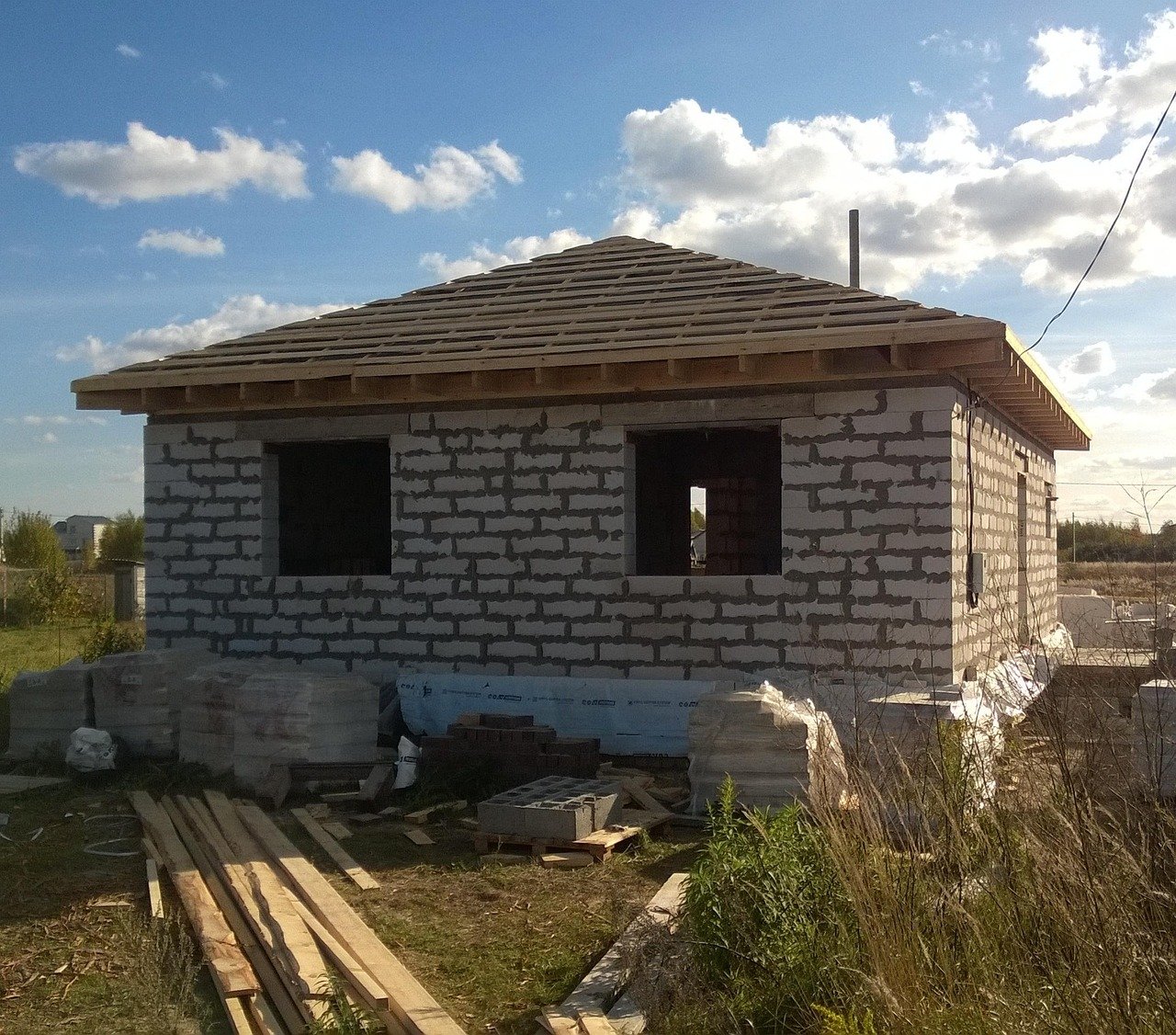

The relationship between interest rates and housing developments in the United States is a complex yet crucial aspect of the real estate market. Changes in interest rates can significantly impact home affordability, demand, and the overall dynamics of housing projects across various regions. By understanding how interest rates influence these elements, stakeholders can better navigate the housing landscape.
Understanding Interest Rates
Interest rates refer to the cost of borrowing money, usually expressed as a percentage. The Federal Reserve, the central bank of the United States, plays a pivotal role in setting the federal funds rate, which influences other interest rates across the economy, including mortgage rates. When the Fed adjusts its rates, it has a ripple effect on lending rates offered by banks and financial institutions, causing fluctuations in the mortgage market.
Impact on Mortgage Rates
Mortgage rates are directly correlated with interest rates. When the Fed raises interest rates, lenders typically pass on those costs to borrowers in the form of higher mortgage rates. Conversely, when interest rates decline, mortgage rates tend to follow suit, making borrowing more affordable. This dynamic plays a crucial role in influencing buyer behavior; as mortgage rates increase, the cost of financing a home rises, which can dampen home sales and housing demand.
Home Affordability
Interest rates significantly impact home affordability. The Monthly Payment (PITI), which includes principal, interest, property taxes, and insurance, is directly influenced by mortgage interest rates. A higher interest rate increases the monthly payment for the same principal amount, making homeownership less attainable for many buyers. According to various studies, a 1% increase in interest rates can result in a reduction of approximately 10% in homebuyer affordability.
This reduction in affordability often leads to decreased demand, particularly among first-time homebuyers who may already be financially strained. When rates increase, potential buyers may delay purchasing a home, opting to rent instead, which can lead to a slowdown in new housing developments.
Housing Demand and Supply Dynamics
As interest rates rise and demand decreases, the supply and demand balance shifts. Builders and developers may respond to decreased demand by either reducing prices or slowing down the construction of new homes. Historically, when interest rates rise, the supply of new single-family homes often lags behind demand, which can result in a temporary excess of inventory.
However, this equilibrium can vary regionally. Areas with robust job growth and high demand may still see sustained housing developments despite rising interest rates, while less desirable markets may struggle to maintain sales. The regional differences highlight the importance of localized economic factors that can either mitigate or amplify the impacts of interest rate changes.
Impact on Housing Prices
While higher interest rates can lead to decreased demand, they don’t always result in falling home prices. In many instances, home prices remain stable or even increase despite rising interest rates, particularly in cities with strong economic fundamentals, such as job growth and limited housing supply. Additionally, high levels of equity in existing homes can provide homeowners with the ability to hold off on selling, further constraining supply and supporting prices.
In contrast, if a prolonged period of high-interest rates coincides with broader economic downturns, the housing market can experience price corrections. The 2008 financial crisis illustrated the dangers of inflated housing prices and unstable financial conditions linked to excessive borrowing. As interest rates rose in the lead-up to the crisis, many homebuyers were unable to sustain their mortgage payments, leading to increased foreclosures and a significant decline in housing prices.
Impact on Real Estate Investment
For investors, the shifting interest rate environment poses both risks and opportunities. Investment in real estate often relies on leverage — borrowing funds to purchase properties. As borrowing costs incrementally rise, the profitability of such investments may diminish. Cap rates (the ratio of net operating income to property asset value) need to adjust accordingly, affecting the attractiveness of investment deals.
Furthermore, higher interest rates may lead to an inclination towards fixed income investments, drawing investors away from real estate. However, savvy investors may still find value in high-demand areas or markets offering diversified income streams, such as multi-family units or commercial properties. Strategic investment choices will become increasingly important as the cost of capital fluctuates.
Construction and Development Considerations
Developers must navigate the complexities introduced by changing interest rates during the planning and execution of projects. High financing costs can deter builders from commencing new developments, particularly in speculative projects that are dependent on uncertain demand forecasts. Furthermore, higher rates may necessitate raising the price point of units, potentially making them less attractive to potential buyers.
Development timelines can also be impacted as interest rates affect the affordability of materials and labor costs. Developers may have to adjust their projects in response to these financial pressures, focusing on lower-cost materials or smaller project scales to maintain profitability and manage risk.
Local Economic Factors
Local economic conditions play a critical role in how interest rates affect housing developments. In regions with high job growth, such as tech hubs and urban centers, demand for housing may remain robust despite rising interest rates. Conversely, areas with stagnant or declining economies may struggle to attract both new buyers and developers, creating challenging conditions for housing market recovery.
Additionally, housing policies and zoning regulations can significantly influence how interest rate changes impact local markets. Regions that promote affordable housing initiatives or streamline the permitting process to facilitate development can better insulate themselves from potential slowdowns associated with rising interest rates.
Consumer Behavior Changes
Consumer behavior also shifts in response to rising interest rates. Potential homebuyers often become more cautious and deliberate in their purchasing decisions, leading to longer timeframes for transaction completions. Buyers may search for homes that offer better value, including more energy-efficient options and properties requiring minimal renovations.
As interest rates fluctuate, there may also be a surge in refinancing activities. Homeowners with existing mortgages may seek to refinance when rates decline, further influencing market dynamics, as many choose to consolidate loans or access equity.
Conclusion
The impact of interest rates on U.S. housing developments is profound and multi-faceted. From affecting mortgage costs and home affordability to shaping consumer behavior and influencing investment strategies, the interplay of interest rates and the housing market presents both challenges and opportunities. Understanding these relationships is critical for buyers, investors, and policymakers seeking to navigate the complexities of the real estate landscape. Through careful consideration of interest rate trends, stakeholders can make informed decisions that align with market realities and individual financial strategies.
