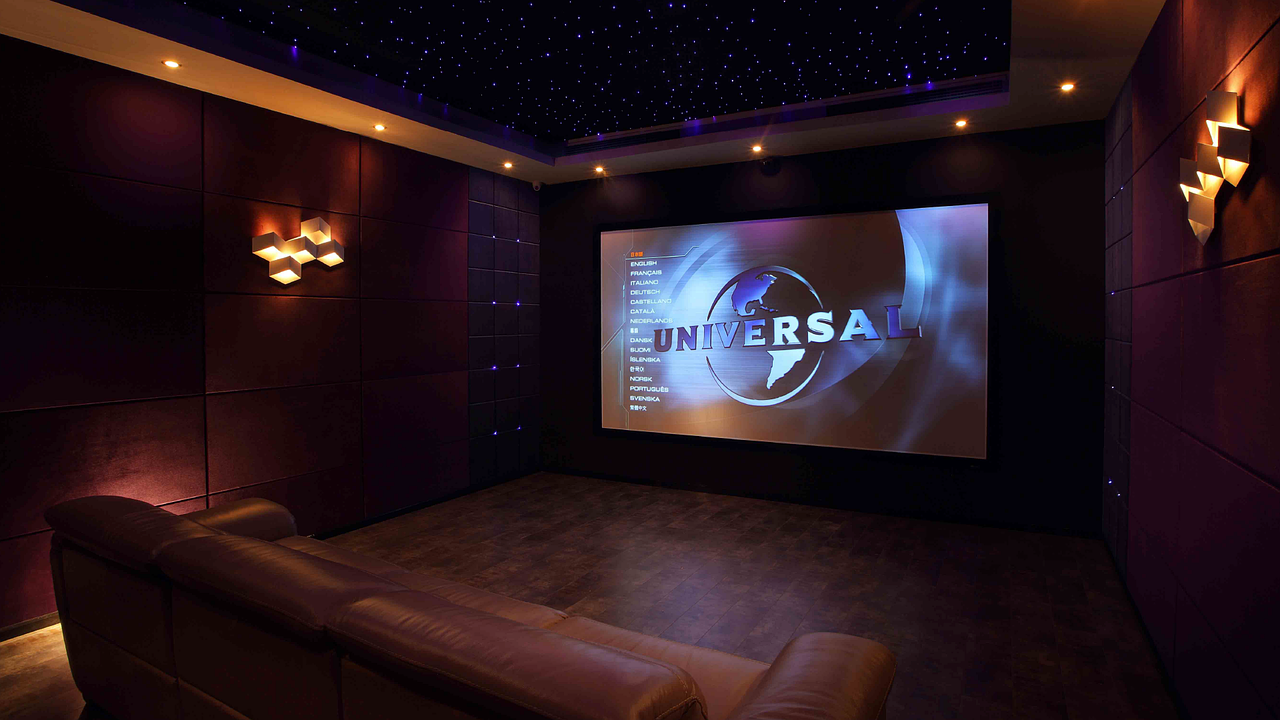

The Intersection of Sustainability and Luxury in High-End Real Estate
Defining Luxury in Real Estate
Luxury in real estate typically encompasses properties that offer opulence, superior craftsmanship, and location prestige. These dwellings often include features like expansive square footage, high-end finishes, and unique amenities such as private pools, gourmet kitchens, and outdoor spaces. However, today’s luxury buyers are no longer solely focused on aesthetics and status; they are increasingly considering sustainability as a critical factor in their purchase choices.
Embracing Sustainability in Luxury Properties
Sustainability in high-end real estate refers to integrating environmentally friendly practices and materials into property development, design, and operation. From energy-efficient appliances to sustainable sourcing of building materials, high-end real estate is evolving to meet the demand for eco-conscious living. High-net-worth individuals are motivated to reconsider their investments; they view sustainable properties as not only an ethical choice but also a status symbol reflective of their values.
Key Features of Sustainable Luxury Real Estate
-
Energy Efficiency: High-end properties often undergo rigorous energy audits to enhance their efficiency. High-performance thermal insulation, triple-glazed windows, and energy-efficient heating and cooling systems are becoming standard. Solar panels are increasingly popular as they contribute to reduced utility costs and carbon footprints.
-
Eco-friendly Materials: Luxury properties are now being built or renovated using low-impact materials such as reclaimed wood, recycled metals, and sustainably sourced stone. These materials not only provide aesthetic appeal but also promote a healthy living environment. VOC-free paints and finishes contribute to indoor air quality, enhancing the overall wellness of residents.
-
Water Conservation: High-end residences are integrating advanced water-saving technologies. Rainwater harvesting systems, greywater recycling, and drought-tolerant landscaping help reduce water usage significantly. Automated irrigation systems ensure that landscape maintenance is efficient and eco-friendly.
-
Indoor Air Quality: Modern luxury homes prioritize wellness through improved indoor air quality. Features such as advanced ventilation systems, air purification technology, and the use of non-toxic materials contribute to a healthier living environment.
-
Smart Home Technologies: The integration of smart home systems not only enhances convenience but also promotes energy efficiency. Smart thermostats, lighting systems, and home automation can optimize energy consumption according to user habits, further reducing waste.
Market Trends: Driving Forces for Sustainable Luxury
The demand for sustainable luxury real estate is backed by various market trends. Millennial and Gen Z buyers are particularly concerned about environmental issues and tend to favor properties demonstrating a commitment to sustainability. They are willing to invest in homes that reflect their social responsibility and support for green initiatives.
The rising awareness of climate change and ecological degradation has led to a paradigm shift in real estate investment. Research indicates that properties with sustainable features often command higher resale values and attract premium rents compared to their traditional counterparts. This trend underscores the financial viability of sustainable luxury.
The Role of Developers and Architects
High-end property developers and architects are at the forefront of this movement. They are increasingly collaborating with sustainability experts to create innovative designs that harmonize luxury with eco-friendliness. Many top-tier real estate developers are integrating LEED (Leadership in Energy and Environmental Design) certification into their projects, a widely recognized standard that signifies a commitment to sustainability.
Innovative design concepts such as biophilic architecture, which integrates natural elements into living spaces, are becoming increasingly prevalent in luxury real estate. Features like living walls, green roofs, and expansive windows that invite natural light not only enhance aesthetic appeal but also improve the overall quality of life for residents.
Global Examples of Sustainable Luxury
Several cities worldwide exemplify the movement towards sustainable luxury in real estate:
-
San Francisco, USA: Known for its progressive environmental policies, San Francisco boasts high-end developments with sustainability at their core. Properties like The Lumina feature energy-efficient systems and luxurious amenities, appealing to eco-conscious buyers.
-
Amsterdam, Netherlands: The city is renowned for its commitment to green architecture. Developments such as The Floating Gardens combine luxury living with innovative sustainability efforts, showcasing the potential of eco-friendly designs.
-
Singapore: This city-state has integrated sustainability into high-end real estate with projects like the Marina Bay Sands, which utilizes advanced water conservation and energy efficiency technologies, all while maintaining a luxurious lifestyle.
The Role of the Real Estate Industry
Real estate agents and stakeholders are crucial in promoting sustainable luxury properties. By highlighting the environmental benefits, energy savings, and potential returns on investment from these properties, agents can effectively educate potential buyers. Business models focusing on sustainability can lead to a competitive advantage in the luxury market.
Open dialogues about the longevity and resale value of sustainable properties can further entice buyers. As the market continues to evolve, professionals in the real estate industry must adapt to emphasize sustainability and articulate its importance to luxury living.
Challenges to Sustainability in Luxury Real Estate
Despite the growing focus on sustainability, challenges remain. The perceived higher costs associated with sustainable materials and technologies can deter some buyers and developers. Overcoming misconceptions surrounding sustainability as a costly option requires expertise and proof of long-term savings.
Another challenge is the variability in sustainability standards across different regions, which can complicate compliance for developers. Establishing clear, standardized criteria for sustainable construction and renovation remains a priority for future growth in this sector.
Consumer Education and Awareness
In the face of these challenges, consumer education is vital. As more luxury buyers become informed about the benefits of sustainable living, demand for these properties will continue to rise. Accessibility to information regarding energy savings, health benefits, and environmental impacts can empower consumers to make eco-conscious decisions.
Real estate firms that effectively educate clients about the advantages of sustainable features can differentiate themselves in a competitive market, fostering a culture of sustainability within luxury real estate.
Conclusion: Future Perspectives
The intersection of sustainability and luxury in high-end real estate is not a fleeting trend; it represents a significant shift in consumer values and market dynamics. As more individuals seek luxury properties that align with their ethical beliefs and lifestyle choices, the demand for sustainable luxury will escalate.
The real estate industry must continue to innovate and adapt in response to this evolving landscape, ensuring that sustainability remains at the forefront of luxury living. With the right balance of luxury and responsibility, high-end real estate has the potential to redefine what it means to live well in an increasingly eco-conscious world.
