
The Real Cost of Paradise: How Tourism Influences Island Real Estate Pricing
Understanding the Paradigm of Island Real Estate
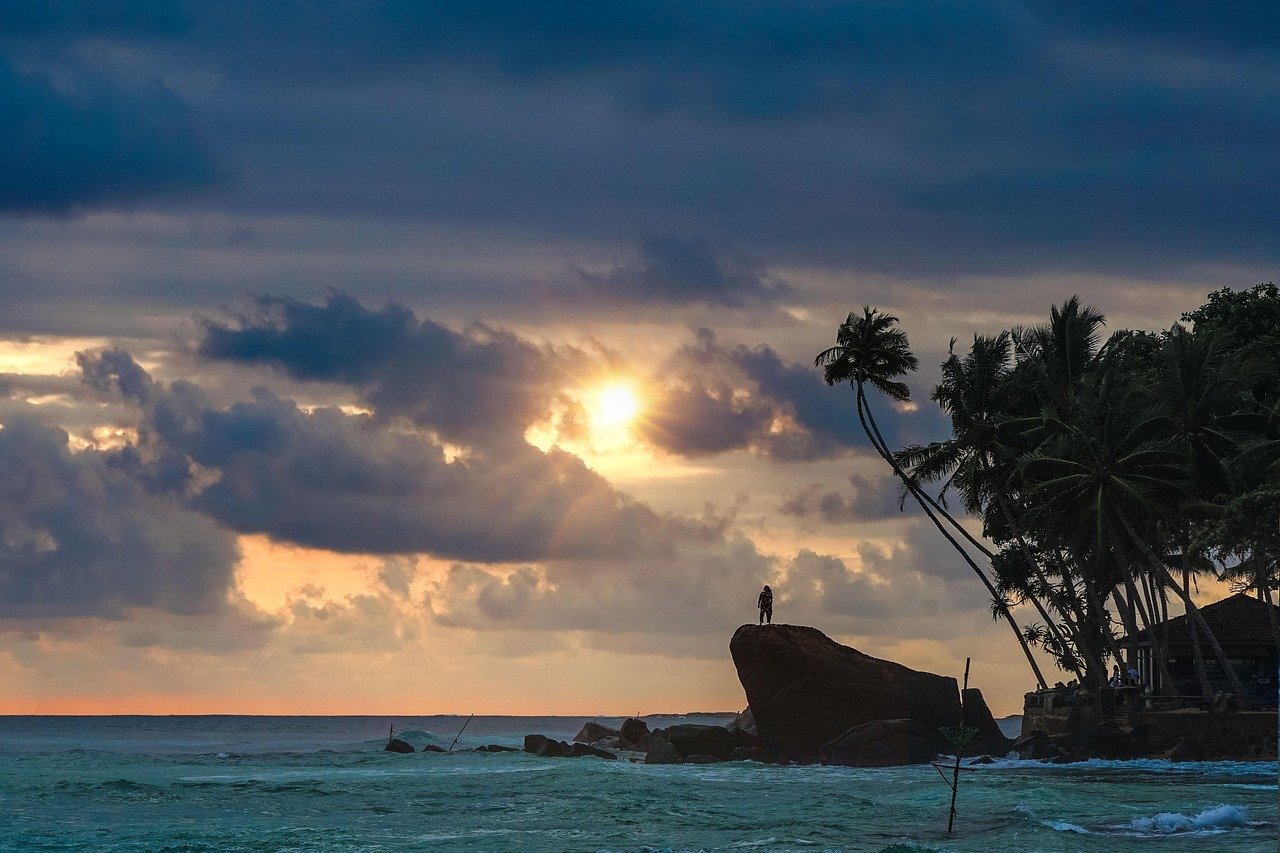
Tourism plays a pivotal role in shaping the real estate market in island destinations. When people think of paradise, they often envision white sandy beaches, crystal clear waters, and luxuriant greenery. This picturesque imagery drives many to explore property investments in these areas, fundamentally altering market dynamics. Understanding this relationship between tourism and real estate pricing is key for prospective buyers, investors, and policymakers.
The Demand Surge: How Tourists Influence Real Estate Prices
Island destinations often experience a significant increase in demand for real estate due to tourist influx. When tourists flock to an island, they not only stimulate local businesses but also create a demand for short-term and long-term accommodations. As demand rises, so do property prices.
-
Short-Term Rental Market: Popular islands see a boom in short-term rental listings, as tourists frequently seek vacation homes over hotels. Platforms like Airbnb and Vrbo have revolutionized the way visitors find lodging, further driving up demand for properties that can generate rental income. This creates an appealing investment opportunity that often concerns local residents, who may find themselves priced out.
-
Luxury Developments: In response to increasing tourist demand, developers are investing heavily in luxury properties—resorts, high-end condominiums, and multi-million-dollar villas. These upscale developments not only cater to affluent tourists but also raise the overall market value, impacting the pricing of surrounding properties.
Economic Forces at Play
The interplay of supply and demand in island real estate is complemented by several economic factors influenced by tourism:
-
Job Creation: Tourism fosters job creation in hospitality, services, and retail sectors, contributing to economic growth and, ultimately, to housing demand. With more jobs available, there’s a higher propensity for outside investment, further inflating real estate prices.
-
Infrastructure Development: Governments and private investors often enhance infrastructure—roads, airports, and utilities—as a response to tourism demands. Improved accessibility makes the area more desirable, allowing for property values to spike significantly.
-
Foreign Investment: Many islands attract foreign buyers, particularly in emerging markets. Favorable investment climates, low taxes, and residency programs appeal to international buyers, often leading to higher competition and escalating property prices.
Environmental Impact and Real Estate
While tourism can boost real estate prices, it often incurs environmental costs that could affect long-term sustainability and prices:
-
Increased Foot Traffic: Heavy tourist traffic can lead to wear and tear on local ecosystems. Overcrowding might eventually make islands less appealing, potentially leading to future price corrections.
-
Climate Change: Rising sea levels and extreme weather are significant threats to island real estate. Properties located in vulnerable areas may see adjustments in pricing based on perceived risks. Buyers must carefully consider the potential impact of climate change on their investments.
Local Community Effects
Tourism-induced real estate pricing creates a dual impact on local communities:
-
Gentrification: As property values rise, long-time residents may struggle to afford their homes, leading to gentrification. Local families may find it increasingly difficult to navigate the market, prompting discussions on affordable housing solutions.
-
Cultural Erosion: With the influx of tourists and foreign investors, islands may experience a dilution of local cultures and traditions. Residents may feel pressured to cater to tourist demands, altering the social and cultural fabric of the community.
The Role of Government Regulation
Governments in island nations often grapple with managing tourism’s impact on real estate prices. To balance between attracting tourists and protecting local interests, regulations may include:
-
Short-Term Rental Caps: Cities like Santorini and Barcelona have implemented restrictions on short-term rental properties to maintain a local housing supply. Such regulations can stabilize or even decrease property values.
-
Zoning Laws: Governments may enforce zoning laws that limit the types of properties that can be built in certain areas, influencing market dynamics. By prioritizing preservation, these regulations can help maintain a balance between tourism and local needs.
-
Visitor Caps: To mitigate the effects of overcrowding, some island destinations impose visitor caps, thereby directly impacting short-term rental demand and, consequently, property values.
The Future of Island Real Estate
The ever-evolving landscape of tourism and real estate pricing reflects broader market trends. Technology and changing traveler preferences are shaping the future of this sector. Virtual tourism, increased remote working, and sustainable travel practices are likely to influence island real estate markets.
-
Sustainable Tourism: A growing awareness of environmental preservation may prompt islands to prioritize eco-friendly developments. Properties that embrace sustainability may not only retain value but may appeal to a conscious market segment willing to invest.
-
Remote Work Trends: The rise in remote work allows individuals to seek properties in idyllic settings. This shift can increase demand across various pricing tiers, impacting overall island real estate dynamics.
-
Digital Nomadism: As more individuals choose flexible lifestyles, markets in paradisiacal locales may increasingly cater to digital nomads, further melding the lines between tourism and real estate.
Conclusion
The intersection of tourism and island real estate pricing is multifaceted, influenced by local economies, community dynamics, and government policies. As the allure of paradise continues to captivate millions, understanding the implications of tourism on real estate investments is essential for navigating this complex landscape.
