
The Rise of Boutique Hotels: Shaping the Future of American Hospitality
Defining Boutique Hotels
Boutique hotels are uniquely designed establishments that offer personalized services and a distinctive ambiance. These hotels are generally smaller than traditional hotels, often boasting fewer than 100 rooms, reflecting a trend towards tailored experiences rather than a homogenized stay. The aesthetic and character of boutique hotels vary widely, influenced by local culture, architecture, and art.
Historical Context
The concept of boutique hotels gained traction in the late 1980s and early 1990s, particularly in urban areas. The first boutique hotels emerged in cities like New York and San Francisco, where unique personality and curated experiences began to attract travelers seeking more than just basic accommodations. This shift represented a broader cultural movement towards individuality and self-expression, trends that continue to resonate today.
Target Demographic
The primary clientele of boutique hotels includes millennials and Gen Z travelers, who prioritize experiences over material possessions. These generations often seek unique accommodations that reflect their values, including sustainability, local culture, and artistic expression. As these younger consumers frequent travel, their preferences have significantly influenced the growth of boutique hotels across the nation.
Local Authenticity
One of the main attractions of boutique hotels is their commitment to local authenticity. Each hotel is often a reflection of the surrounding area, with interior designs featuring locally sourced materials and art that celebrates community culture. Serving local cuisine in on-site restaurants enhances the visitor’s experience, as it allows them to immerse themselves in the region’s culinary scene.
Personalized Customer Service
Boutique hotels pride themselves on offering personalized customer service that transcends standard hotel hospitality. Many employ concierges who are intimately familiar with the local area, enabling them to curate experiences tailored to individual guests. This focus on personalized service creates memorable stays and fosters customer loyalty, leading to higher return rates.
Design and Aesthetics
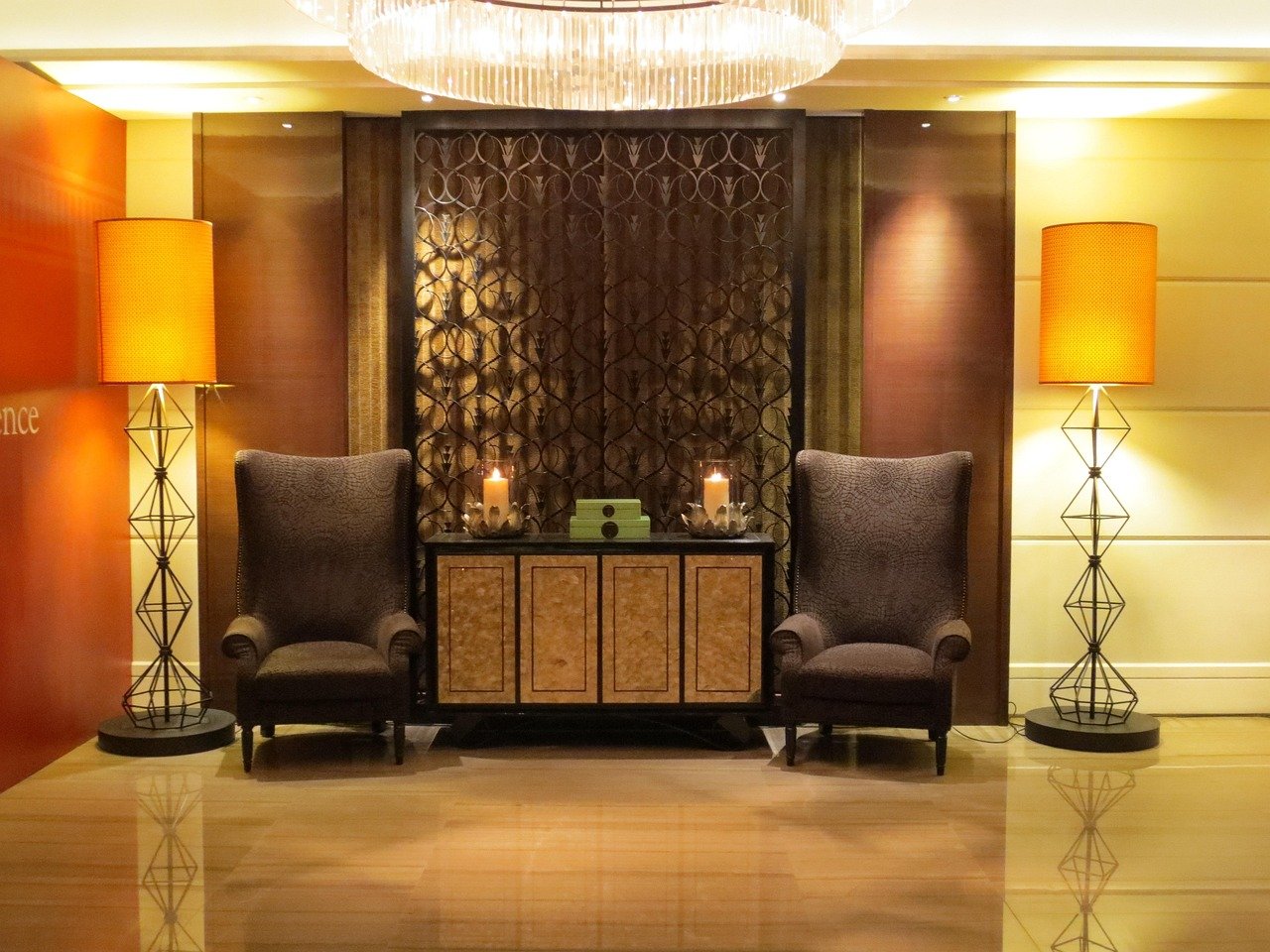
The design of boutique hotels is often centered around strong visual aesthetics. These establishments usually incorporate themed decor that enhances the guest experience. For example, unique furniture, art installations, and handmade decor items contribute to an overall sense of place. Many boutique hotels collaborate with local artisans to create distinctive environments that tell a story, adding to the allure of staying in such establishments.
Tech-Savvy Amenities
Incorporating modern technology is crucial in the development of boutique hotels. Many feature smart rooms equipped with high-speed Wi-Fi, mobile check-in, and streaming services. Interactive technology can enhance guest experience, providing customization options for lighting, temperature, and entertainment. This engagement with technology resonates well with tech-savvy travelers, adding to the boutique hotel’s appeal.
Sustainability Practices
The rise of eco-tourism has led many boutique hotels to adopt sustainable practices. From using renewable energy sources to offering bulk toiletries, the commitment to sustainability appeals to environmentally conscious travelers. Many boutique hotels embrace green certifications, such as LEED (Leadership in Energy and Environmental Design), which enhances their marketability to nature-loving guests.
The Role of Social Media
Social media has significantly impacted the growth trajectory of boutique hotels. Platforms like Instagram and Pinterest are filled with images of vividly designed hotel interiors, attracting attention and driving bookings. Engaging social media campaigns can highlight unique design elements or special events at boutique hotels, enhancing visibility among potential travelers. Effective influencer partnerships can also bring authentic connections to the brand, spurring interest from a broader audience.
The Experience Economy
The rise of the experience economy has fundamentally reshaped how consumers approach travel. Boutique hotels focus on creating experiences beyond just a night’s stay, offering wellness programs, cooking classes, and immersive tours that engage guests. This shift towards experience-driven offerings has proven crucial in differentiating boutique hotels from larger, chain establishments that often prioritize revenue from room sales alone.
Flexible Spaces
Boutique hotels often feature flexible spaces that can serve multiple purposes. Lobbies may double as art galleries or coworking spaces, adapting to the needs of both leisure and business travelers. This adaptability caters to the evolving landscape of remote work, where guests may seek spaces to conduct business meetings or stay connected while traveling.
Economic Impact
The proliferation of boutique hotels has notable effects on local economies. They attract tourists who contribute to local businesses, from farmers’ markets to regional attractions. By promoting local artisans and businesses within their offerings, boutique hotels become integral parts of their communities, enhancing the local economy and providing additional revenue streams.
Challenges Faced by Boutique Hotels
Despite their rise, boutique hotels face significant challenges, including competition from larger chain hotels and Airbnb-style short-term rentals. These competitors often offer lower prices due to economies of scale. However, boutique hotels counter this trend by emphasizing quality, uniqueness, and personalized service that cannot be easily replicated by larger entities.
Future Trends Influencing Boutique Hotels
Looking forward, several trends are likely to influence the future development of boutique hotels. A greater emphasis on health and wellness strategies, such as offering organic meals and fitness classes, aligns with the growing consumer interest in holistic wellness. Additionally, as remote work becomes more common, there will be increased demand for work-friendly amenities within boutique hotels.
The Role of Brand Partnerships
Boutique hotels increasingly engage in partnerships with brands that align with their ethos. Collaborations with fashion designers, local artists, or wellness brands enhance the guest experience while adding prestige to the hotel’s brand identity. These partnerships can also create unique offerings, such as exclusive merchandise or thematic events that resonate with the hotel’s image.
Conclusion
Boutique hotels encapsulate the evolving nature of the hospitality industry in America. Their unique selling points—local authenticity, personalized service, and a commitment to sustainability—offer a compelling alternative to standard hotel offerings. As preferences evolve, boutique hotels are poised to continue shaping the future of American hospitality by providing unique experiences that cater to the discerning traveler. As they navigate challenges and embrace future trends, boutique hotels will likely solidify their place in the hearts of travelers across the nation.
