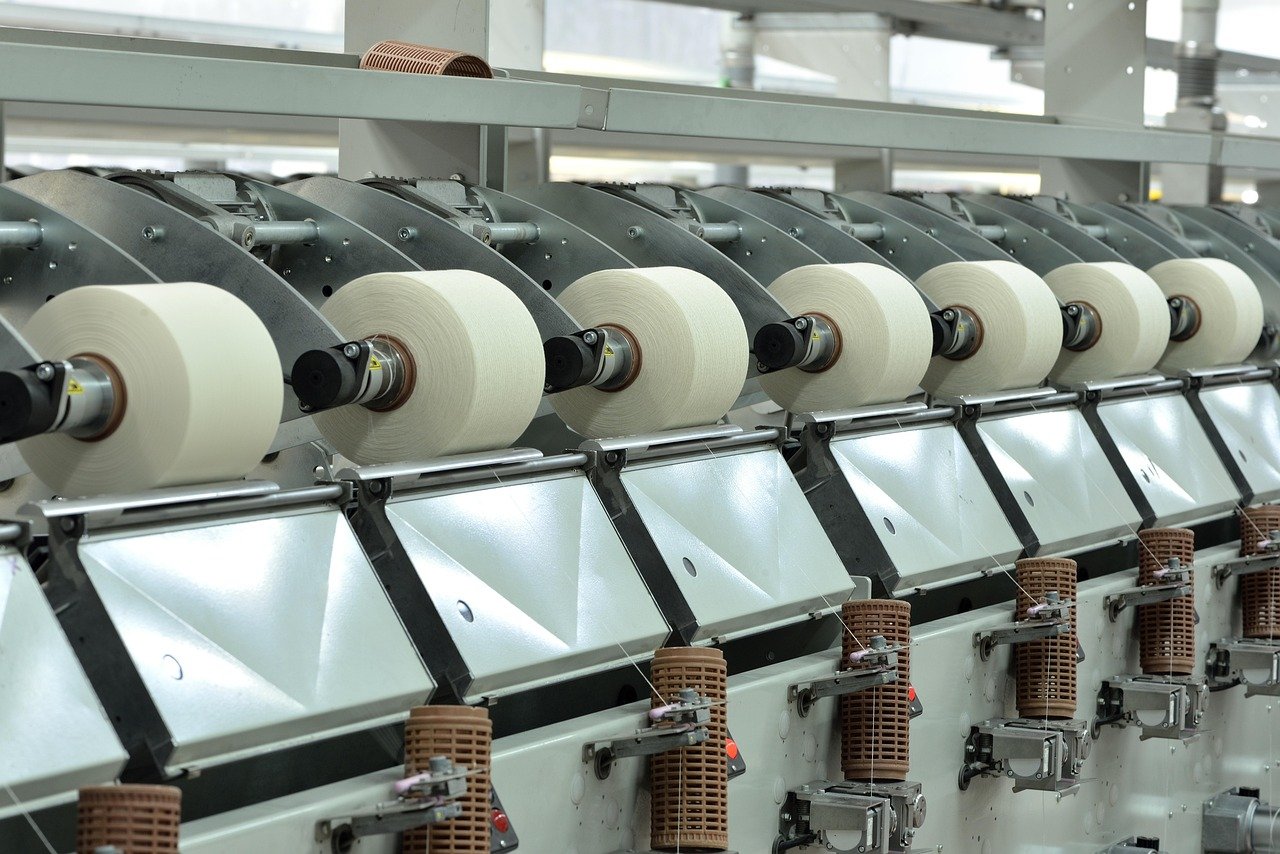

The Role of Robotics in Modern Warehousing Solutions
Understanding Robotics in Warehouse Management
The advent of robotics in warehousing has transformed traditional logistics and supply chain operations. Automated systems now assist in various warehouse tasks, including inventory management, sorting, packing, and order fulfillment. These technologies offer various benefits, including enhanced efficiency, reduced operational costs, and improved accuracy, all pivotal for maintaining a competitive edge in the rapidly evolving market.
Types of Robotic Systems Used in Warehousing
-
Autonomous Mobile Robots (AMRs)
AMRs are equipped with advanced sensors and navigation systems that allow them to transport goods within a warehouse autonomously. These robots can optimize their routes in real-time based on obstacles, traffic, and tasks. This technology significantly decreases the time taken to move items, boosting the overall throughput of warehouse operations. -
Automated Guided Vehicles (AGVs)
Unlike AMRs, AGVs operate along predefined paths. These vehicles are commonly used for transporting materials and products between specific locations within a warehouse, such as from the receiving dock to storage areas. Their predictable movement enhances safety and guarantees consistent workflows, making them ideal for high-volume, repetitive tasks. -
Robotic Pickers
Robotic picking systems utilize advanced algorithms and AI to identify and select products from shelves. These systems often employ robotic arms equipped with gripping mechanisms to handle various types of goods. With the ability to operate around the clock, robotic pickers considerably speed up order fulfillment processes while minimizing human error. -
Automated Storage and Retrieval Systems (AS/RS)
AS/RS integrates robotics with storage solutions, such as automated shelving and racks. These systems facilitate the automatic retrieval of items, allowing warehouses to maximize space and enhance inventory management. By automating storage, companies can also achieve higher inventory accuracy and minimize SKU (Stock Keeping Unit) discrepancies.
Benefits of Implementing Robotics in Warehousing
Increased Efficiency
The primary advantage of robotics in warehousing is the significant boost in operational efficiency. Robots can perform tasks faster than humans, such as picking, sorting, and transporting products, which reduces cycle times dramatically. This improved speed leads to quicker order fulfillment, allowing businesses to meet customer demands promptly.
Cost Reduction
While the initial investment in robotic technology can be substantial, the long-term savings are noteworthy. Robotics reduces labor costs by minimizing the number of workers needed for repetitive tasks, allowing companies to allocate their human resources to more value-added activities. Additionally, increased efficiency translates to lower operational costs per order.
Enhanced Accuracy
Robots equipped with advanced sensors and machine learning algorithms can perform tasks with high precision. Human errors, such as incorrect picking or misplacing items, are minimized when robots are involved. This accuracy enhances overall inventory management, allowing companies to maintain better stock levels and reduce losses due to errors.
Safety Improvements
Warehousing environments can be hazardous due to the movement of heavy equipment, uneven flooring, and potential for worker accidents. By implementing robotics, companies can reduce the need for humans to perform dangerous tasks, thereby enhancing employee safety. Robots can handle heavy lifting and navigate complex environments, mitigating the risk of workplace injuries.
Challenges in Integrating Robotics
Initial Investment Costs
The adoption of robotic systems requires a substantial upfront investment, including costs for equipment, software, and infrastructure modifications. Companies must carefully evaluate their ROI before deciding to implement these technologies. However, businesses can often justify the expense through long-term savings and productivity gains.
Technical Expertise Requirement
The complexity of robotic systems necessitates a skilled workforce to maintain and operate the equipment effectively. Training employees to work alongside robots and manage these systems can be time-consuming and costly. Therefore, organizations need to invest in workforce development to ensure seamless integration and operation.
System Integration Issues
Integrating robotic solutions into existing warehouse management systems can pose challenges. Compatibility issues between legacy systems and modern technologies are common, making implementation more complicated. Businesses must invest in proper planning and collaboration across departments during the integration phase to overcome these hurdles.
Future Trends in Warehouse Robotics
Advanced Artificial Intelligence (AI)
The future of robotics in warehousing lies in AI integration. Enhanced AI capabilities will allow robots to learn from their experiences, adapt to changing environments, and make real-time decisions. This evolution will lead to more autonomous systems capable of advanced problem-solving, further streamlining warehouse operations.
Collaborative Robots (Cobots)
Collaboration between humans and robots is increasing, with cobots designed specifically to work alongside human workers. This partnership enhances flexibility in warehouses, as cobots can assist employees in challenging tasks, contributing to improved productivity without fully replacing the human workforce.
Drone Technology
The use of drones in warehousing is gaining momentum, particularly for inventory management. Drones can quickly scan shelves and track inventory without hindering daily operations. This technology enables real-time inventory assessments, contributing to better stock management and reducing overstock and stockouts.
Predictive Analytics
The integration of predictive analytics within robotic systems will enable warehouses to anticipate demand and optimize resource allocation proactively. By analyzing data, robotic systems can improve their efficiency in order fulfillment and inventory management, ultimately enhancing overall operational performance.
Conclusion
Robotics is revolutionizing warehousing solutions by enhancing efficiency, accuracy, and safety while navigating challenges that arise during implementation. As technology continues to advance, the role of robotics in warehousing will expand, shaping the logistics sector’s future and allowing businesses to thrive in an increasingly competitive landscape. Organizations committed to harnessing these innovations will be well-positioned to lead in the evolving industry, meeting customer needs with speed and precision.
