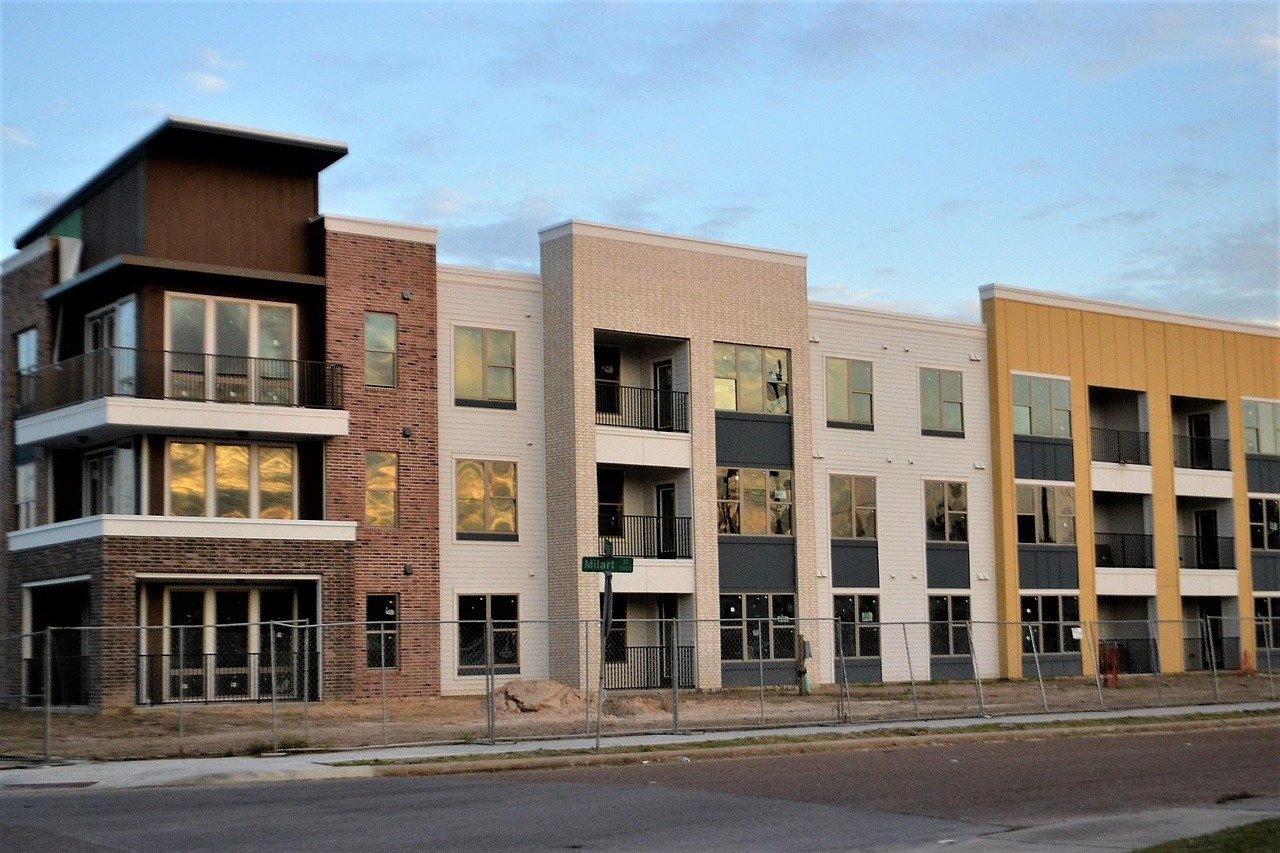

Urban planning plays a crucial role in modern society, especially when addressing the pressing issue of housing demand. As populations in urban areas continue to swell, effective planning becomes essential to provide adequate, affordable, and sustainable housing. This article delves into the multifaceted role of urban planning in tackling housing demand, examining its objectives, methodologies, challenges, and outcomes.
Understanding Urban Planning and Housing Demand
Urban planning focuses on the development and design of land use in urban environments. It involves strategic decision-making to influence the social and economic fabric of cities, contributing to their functionality, livability, and sustainability. Housing demand refers to the desire and ability of people to purchase or rent housing; this demand is influenced by various factors, including population growth, economic conditions, and social dynamics.
Factors Influencing Housing Demand
Several factors significantly impact housing demand. Population growth leads to an increased need for housing, often outpacing supply. Economic conditions, such as employment rates and income levels, also determine housing demand; when incomes rise, so does the capacity to afford housing. Furthermore, demographic shifts, such as aging populations or migration trends, influence the types of housing required.
The Role of Zoning Regulations
One of the key tools in urban planning is zoning regulations, which govern land-use distributions. Zoning laws dictate what types of structures can be built in certain areas, thus directly impacting housing supply. For instance, high-density zones can facilitate the construction of apartment complexes, which can meet the needs of a growing population in urban areas. Conversely, restrictive zoning can exacerbate housing shortages. An effective urban planner must develop zoning strategies that balance the needs for affordability, sustainability, and community service.
Density and Mixed-Use Developments
Density plays a pivotal role in addressing housing demand. Higher density housing, such as multi-family units or townhouses, allows more units to be constructed within limited land, providing immediate solutions to housing shortages. Mixed-use developments, which combine residential, commercial, and recreational spaces, create neighborhoods that foster community engagement while meeting housing needs. By promoting mixed-use strategies, urban planners can stimulate local economies and enhance the quality of life for residents.
Incorporating Sustainable Practices
Sustainable urban planning incorporates environmentally friendly practices to ensure long-term viability. Green building initiatives, such as energy-efficient designs and sustainable materials, not only address the housing demand but also mitigate the environmental impact of urban expansion. Planners can implement policies that encourage the use of renewable energy sources and sustainable transportation options, contributing to both housing supply and environmental stewardship.
Affordable Housing Initiatives
Affordable housing remains a cornerstone of urban planning in addressing housing demand. Effective urban planners advocate for policies that promote the development of affordable housing projects, often through partnerships with private developers. Inclusionary zoning policies can require that a percentage of new developments be allocated for low to moderate-income households. Funding strategies, such as tax incentives or public-private partnerships, enable the construction of affordable units, ensuring broader access to housing.
Community Engagement in Planning Processes
Community engagement is a critical component of urban planning, ensuring that housing strategies reflect the needs and desires of current residents. Inclusive planning processes foster collaboration between policymakers, stakeholders, and community members. This approach helps to build trust and ensures that housing solutions align with the community’s vision. Public consultations, workshops, and surveys are valuable tools for gathering insights that can shape effective housing strategies.
Transportation and Infrastructure Considerations
Housing demand cannot be effectively addressed without considering transportation and infrastructure. Urban planning must integrate public transportation systems to provide residents with accessible commuting options. Housing developments located near transit lines increase mobility and can enhance a community’s attractiveness. Moreover, infrastructure investments, such as roads, schools, and healthcare facilities, support housing demand by making neighborhoods more desirable places to live.
Addressing Gentrification
Gentrification is a phenomenon that often accompanies urban development, where rising property values and rents displace long-term residents. Urban planners must proactively address gentrification to ensure that housing remains accessible to diverse income groups. Strategies may include tenant protections, community land trusts, and the preservation of affordable housing units. Effective planning can help mitigate the adverse effects of gentrification while promoting revitalization.
Data-Driven Decision Making
Utilizing data analytics is essential for modern urban planning, particularly in understanding housing demand. By employing Geographic Information System (GIS) technology, urban planners can analyze demographic trends, housing markets, and land use efficiently. This data informs decision-making, ensuring that housing strategies meet current conditions and anticipate future needs. Moreover, predictive analytics can help planners identify areas at risk for housing shortages or overdevelopment.
The Impact of Technology and Innovation
Technological advancements are reshaping urban planning paradigms. Smart technologies, such as IoT devices and real-time data monitoring, enable cities to improve the efficiency of housing developments and service delivery. Urban planners can utilize software platforms to simulate various housing scenarios, optimizing land use and identifying the best approaches to meet increasing demand.
Legal and Policy Frameworks
Urban planners must navigate a complex web of legal and policy frameworks, which can significantly influence housing development. Land use policies, building codes, and environmental regulations guide housing construction. Effective urban planning requires understanding these legalities to facilitate development while adhering to governance standards. Collaboration with legal experts and policymakers enhances the efficiency of housing initiatives.
Regional Planning Approaches
Addressing housing demand often requires regional planning efforts that transcend municipal boundaries. Coordinated regional approaches allow for comprehensive assessments of housing needs across multiple jurisdictions. Collaboration among cities, counties, and metropolitan planning organizations fosters holistic strategies that address housing shortages, transportation issues, and environmental sustainability on a broader scale.
Long-term Planning and Adaptability
Urban planners must adopt long-term planning strategies that accommodate changing housing demands. Flexibility and adaptability are vital in crafting housing solutions that can evolve with emerging trends, be it shifts in demographics, economic conditions, or environmental challenges. A proactive approach to urban planning enables municipalities to anticipate and respond effectively to future housing crises.
Through the multifaceted approaches described, urban planning emerges as an indispensable element in addressing housing demand. The collaboration among various stakeholders, from community members to policymakers, is essential in crafting sustainable, inclusive, and effective housing solutions that improve urban living standards for all.
