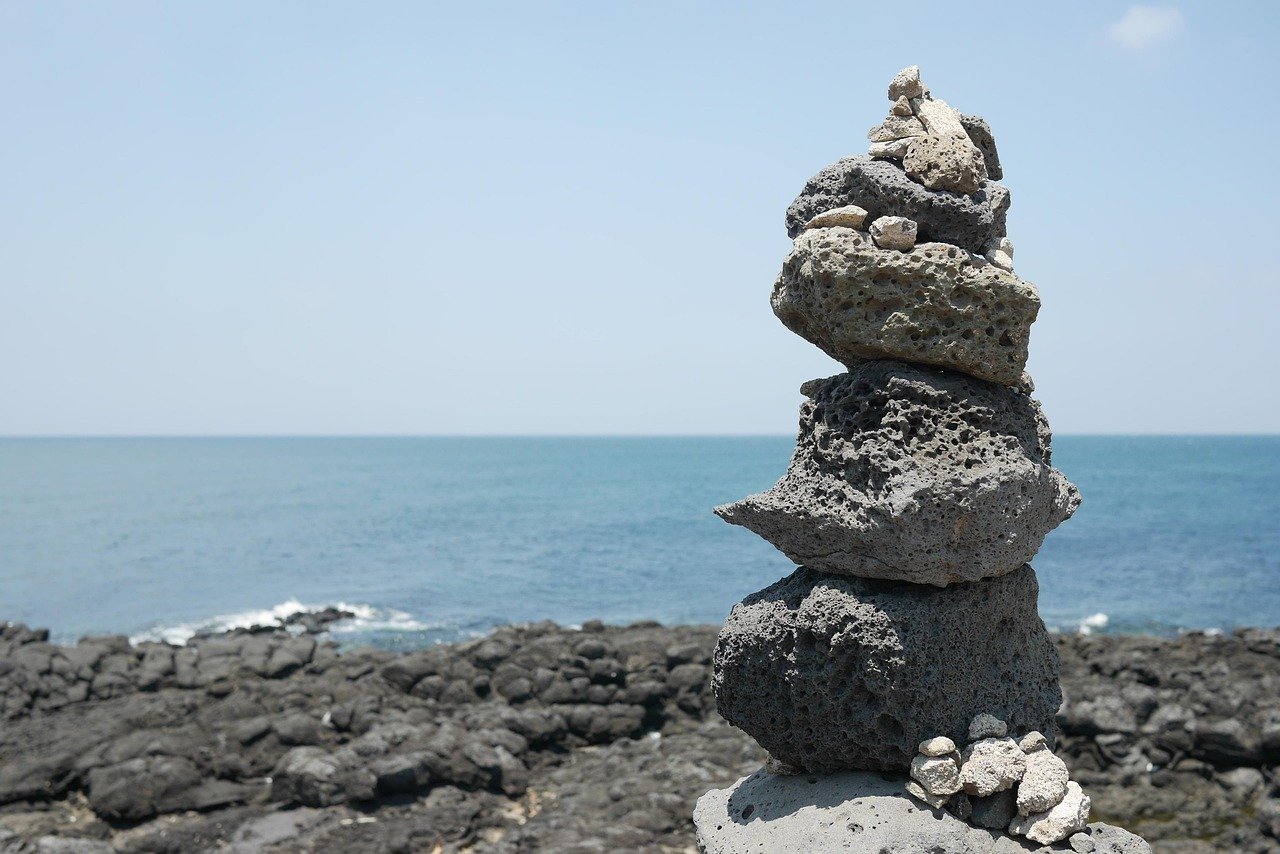

The Shift Towards Eco-Conscious Real Estate on U.S. Islands
Understanding Eco-Conscious Real Estate
Eco-conscious real estate embraces sustainable development principles that focus on environmental preservation, reduced carbon footprint, and efficient resource usage. This paradigm applies significantly to U.S. islands, where unique ecosystems face vulnerabilities due to climate change and urban development pressures. Island properties are particularly sensitive to sea-level rise, ecological degradation, and biodiversity loss, making eco-conscious strategies vital.
The Importance of Sustainability
Real estate development on U.S. islands, ranging from the Florida Keys to the Hawaiian Islands, must prioritize sustainability to protect delicate environments. Sustainable practices involve utilizing renewable energy, rainwater harvesting, and innovative building materials that reduce environmental impact. Islands are perfect laboratories for eco-friendly initiatives due to limited resources and the critical need for good practices that can mitigate their ecological footprints.
Renewable Energy Solutions
The integration of renewable energy systems, such as solar panels and wind turbines, is becoming increasingly common in eco-conscious real estate developments on U.S. islands. For instance, many newer constructions in the U.S. Virgin Islands are utilizing solar technology to harness abundant sunlight. Solar installations not only cut energy costs but also contribute to a larger goal of sustainability by reducing dependence on fossil fuels.
Advanced Water Conservation Techniques
Freshwater resources are limited on islands, making water conservation paramount. Cutting-edge practices such as rainwater harvesting systems and greywater recycling are being adopted in eco-conscious properties. These systems capture and purify rainwater and reuse household water for irrigation and other non-potable uses. Developers are also focusing on xeriscaping, which emphasizes drought-resistant plants and minimizes irrigation needs.
Sustainable Building Materials
The use of sustainable materials is essential in constructing eco-conscious real estate. Many builders are utilizing reclaimed wood, bamboo, and recycled steel, which not only reduce waste but also enhance the resilience of structures against severe weather. Furthermore, low-VOC (volatile organic compounds) paints and finishes improve indoor air quality, a necessity in tightly constructed island homes.
Biophilic Design Principles
Biophilic design principles reflect a more profound connection to nature, promoting mental health and well-being while enhancing property values. This design philosophy incorporates natural features into real estate projects, including green roofs, living walls, and ample use of glass to create seamless transitions between indoors and outdoors. The use of native plants not only fosters aesthetic appeal but also supports local wildlife and ecosystems.
The Role of Smart Technology
Smart home technology is contributing to the eco-conscious real estate movement by providing homeowners with tools to monitor and reduce their energy consumption. Features such as programmable thermostats, smart lighting, and energy-efficient appliances are gaining traction in areas like the Outer Banks of North Carolina. These technologies not only decrease energy bills but also empower owners to manage their resources effectively.
Community Engagement and Education
Effective eco-conscious development on U.S. islands goes beyond individual properties—it includes fostering community engagement and education about sustainability practices. Local governments are increasingly involved in promoting eco-friendly guidelines and educating residents on conservation strategies. Community gardens, heritage festivals celebrating local biodiversity, and workshops are invaluable in raising awareness about sustainability.
The Economic Impact of Eco-Conscious Real Estate
Investing in eco-conscious real estate has significant economic implications. Properties built with sustainable practices often see increased market value and demand. Potential buyers are drawn to homes that promise lower utility costs and a commitment to sustainability. Moreover, eco-conscious developments can enhance tourism, attracting visitors keen on eco-tourism, which contributes to the local economy.
Legislative Support for Sustainable Development
Legislation is increasingly supporting the transition toward eco-conscious real estate. Many U.S. islands have implemented zoning laws that encourage sustainable practices and prioritize environmental conservation. For example, certain programs provide tax incentives for homeowners who install solar panels or adopt other green technologies. Such policies stimulate the market and encourage developers to incorporate eco-friendly features.
Challenges Ahead
Despite the positive steps taken towards eco-conscious real estate, several challenges remain. Limited land availability, rising construction costs, and regulatory hurdles can impede the establishment of sustainable developments. Additionally, there is a need for more skilled labor familiar with sustainable building practices to execute eco-friendly construction methods effectively.
The Future of Eco-Conscious Real Estate
The future of eco-conscious real estate on U.S. islands appears promising, driven by technological advancements and an increasing public awareness of environmental issues. As climate change impacts become more pronounced, the importance of sustainable practices in real estate development will only intensify. The incorporation of innovative solutions tailored to island specificities will define the next phase of eco-friendly construction.
Real Estate Trends to Watch
- Lower Carbon Footprints: Expect more developers to adopt net-zero principles, further solidifying the significance of carbon-neutral buildings.
- Community-Oriented Developments: Developments that blend residential living with shared community spaces and amenities such as parks and recreational areas will rise in popularity.
- Enhanced Climate Resilience: Properties designed with resilience to climate change, including elevated structures and flood-resistant materials, will become more prevalent.
- Green Certifications: Certificates like LEED (Leadership in Energy and Environmental Design) will become crucial differentiators in the real estate market, enhancing property appeal.
Conclusion
As U.S. islands navigate the complexities of development amid growing environmental concerns, the shift toward eco-conscious real estate will play a critical role. This transition stands to safeguard delicate ecosystems while fostering livable, vibrant communities and sustainable tourism opportunities. A concerted effort from developers, communities, and governments will ensure that eco-conscious initiatives are not just a trend but a lasting commitment to preserving precious island resources. These advancements highlight a collective responsibility to balance development and sustainability, ensuring that future generations can thrive in these unique locales.
