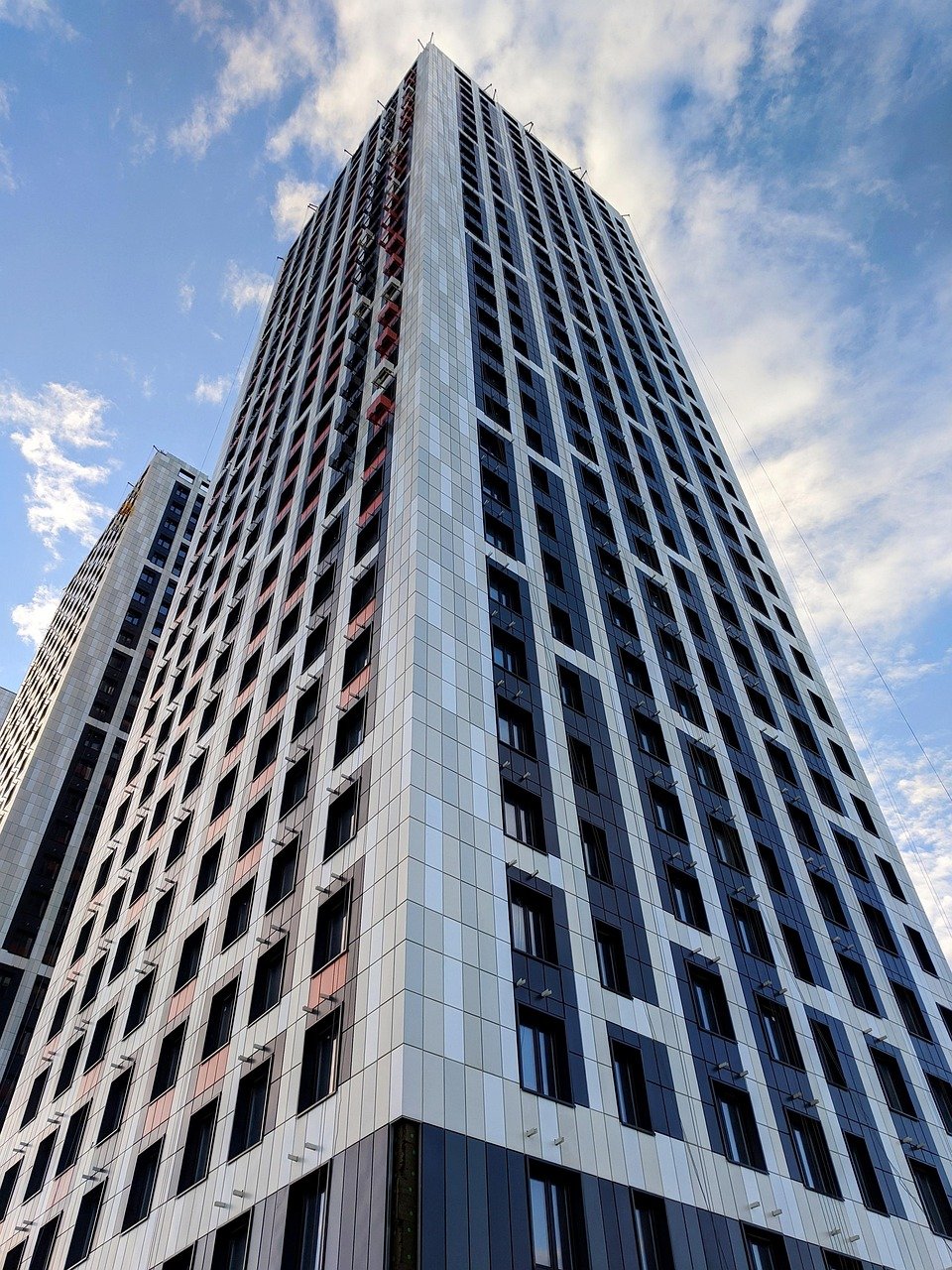

Top Sustainable Home Features That Buyers are Demanding
As the demand for eco-friendly living increases, more home buyers are prioritizing sustainable features in their property searches. These features not only contribute to a healthier environment but also promise long-term savings and increased property values. Here’s a detailed look at the top sustainable home features that are increasingly becoming non-negotiable for buyers.
1. Energy-Efficient Appliances
Energy-efficient appliances are at the forefront of sustainable home features. Modern appliances, from refrigerators to washing machines, carry the ENERGY STAR label, indicating they use 10%-50% less energy than standard models. Buyers are keen on these appliances as they reduce energy bills and minimize carbon footprints, making homes more attractive in the competitive market.
2. Solar Panels
Solar energy is an essential component of sustainable living. The installation of solar panels significantly reduces reliance on non-renewable energy sources. Home buyers are increasingly looking for homes with solar power systems, as they not only lower electricity costs but also provide energy security. Incentives and tax credits for solar installation further boost their appeal.
3. Water-Efficient Fixtures
Water conservation is critical in today’s climate-conscious world. Features such as low-flow faucets, water-saving toilets, and efficient irrigation systems appeal to buyers concerned about water scarcity. The installation of rainwater harvesting systems also adds to a home’s sustainability profile, showcasing responsible water management practices.
4. Green Roofs and Living Walls
Green roofs and living walls are innovative ways to enhance a home’s environmental sustainability. These features improve air quality, provide insulation, and help manage rainwater runoff. Potential buyers are increasingly attracted to these unique elements, which promote biodiversity while offering aesthetic benefits.
5. Sustainable Building Materials
The choice of building materials significantly impacts a home’s sustainability. Buyers are showing a preference for homes constructed with recycled, reclaimed, or sustainably sourced materials. Bamboo flooring, reclaimed wood, and recycled steel are popular options that minimize environmental impact while providing durability and style.
6. Insulation and Energy Efficiency
Efficient insulation is vital for reducing a home’s energy consumption. Buyers are looking for homes that utilize advanced insulation materials and methods, such as spray foam and structural insulated panels (SIPs). Proper insulation keeps homes warmer in winter and cooler in summer, reducing HVAC reliance and lowering energy bills.
7. Smart Home Technology
Smart home technology enhances energy efficiency and contributes to sustainability. Thermostats, lighting systems, and appliances that can be controlled remotely help homeowners manage their energy use effectively. Buyers are keen on homes that incorporate smart technology, enabling them to monitor and minimize their energy consumption seamlessly.
8. Location and Walkability
The location of a home plays a significant role in its sustainability profile. Homes situated in walkable neighborhoods reduce the need for vehicles, thus decreasing carbon footprints. Buyers are gravitating towards communities with access to public transportation, biking paths, and local amenities, promoting sustainable living through lifestyle choices.
9. Efficient Heating and Cooling Systems
Heating and cooling account for substantial energy use in homes. Buyers are interested in properties with high-efficiency HVAC systems, such as variable refrigerant flow systems or geothermal heat pumps. These technologies provide consistent indoor comfort while minimizing energy consumption and environmental impact.
10. Use of Natural Light
Building designs that maximize natural light contribute to energy efficiency by reducing reliance on artificial lighting. Skylights, large windows, and open floor plans are sought after by buyers looking for homes that feel bright and spacious while being energy-wise. Homes that utilize passive solar design, optimizing window placement for natural heating, are particularly appealing.
11. Native Landscaping
Sustainable landscaping practices are gaining traction among eco-conscious home buyers. Homes that feature native plants require less water and maintenance, promoting local wildlife habitats. Xeriscaping—landscaping that reduces or eliminates the need for irrigation—is also popular among buyers looking to reduce water usage.
12. Electric Vehicle Charging Stations
As electric vehicle (EV) adoption steadily rises, the inclusion of EV charging stations at residential properties is becoming a key selling point. Home buyers are looking for homes equipped with Level 2 charging stations, allowing convenient charging at home and facilitating an eco-friendly transportation option.
13. Indoor Air Quality Improvements
Homes that prioritize indoor air quality through the use of non-toxic materials and effective ventilation systems are highly desirable. Features like advanced air filtration systems, low-VOC paints, and natural building materials promote healthier living environments. Buyers are increasingly aware of the impact of air quality on health, making these features critical.
14. Home Automation Systems
Home automation increases energy efficiency and convenience. Buyers are increasingly drawn to homes equipped with systems that allow for automated control of lighting, heating, cooling, and security. Such systems not only enhance comfort but also contribute to reduced energy consumption.
15. Resilient Design
In the face of climate change, buyers are looking for homes designed to withstand extreme weather conditions. Features like reinforced structures, storm-resistant windows, and flood-resistant landscaping are growing in demand. Resilient design ensures safety and durability, significantly enhancing a property’s long-term value.
16. Sustainable Community Features
Beyond individual homes, sustainable community features are becoming pivotal for buyers. Communities that prioritize shared green spaces, community gardens, and renewable energy initiatives promote a sustainable lifestyle. Buyers are eager to invest in neighborhoods that reflect these values through collective environmental responsibility.
17. Thermal Mass Materials
Utilizing thermal mass materials, like concrete and stone, allows homes to absorb and store heat energy. This architectural feature provides natural temperature regulation, reducing the need for heating and cooling systems. Buyers appreciate homes that integrate these materials, contributing to overall energy efficiency.
18. Biodegradable Building Materials
The use of biodegradable building materials, such as straw bales, compressed earth blocks, and natural plasters, resonates well with eco-conscious buyers. These materials decompose harmlessly at the end of their life cycle, making them a sustainable choice that aligns with green building certifications.
19. Flexible Floor Plans
Flexible and multifunctional floor plans appeal to modern buyers prioritizing sustainability. Homes designed with flexible spaces reduce the need for larger, more resource-intensive properties. This adaptability supports a minimalist lifestyle, allowing buyers to personalize their living environments to meet various needs.
20. Community Energy Projects
Buyers are increasingly interested in homes situated near community energy projects, such as solar gardens or wind farms. Such shared energy resources reduce individual dependence on traditional energy sources and represent a commitment to collective sustainability efforts.
