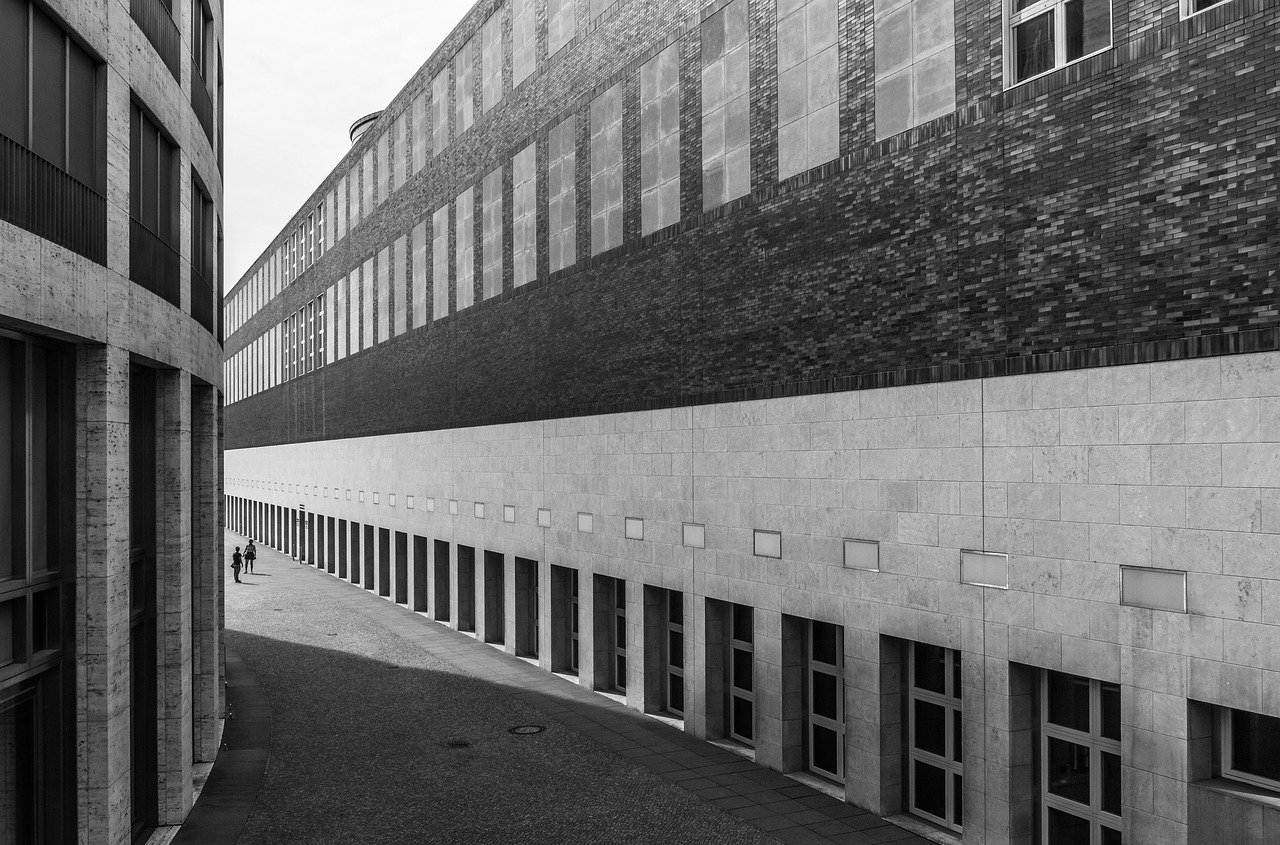

Embracing Minimalism in Residential Architecture
Minimalism has gained traction over recent years, particularly in urban settings where space can be limited. Characterized by clean lines, open spaces, and a commitment to functionality, minimalistic designs prioritize usability without unnecessary ornamentation. Homes that embrace this aesthetic often incorporate elements such as large windows that invite natural light, muted color palettes that enhance a tranquil atmosphere, and a careful selection of materials, like concrete and glass, that exemplify simplicity and elegance.
The benefits of minimalism extend beyond aesthetics. Homes designed with minimalism in mind often utilize energy-efficient systems and sustainable materials, aligning with eco-conscious living. Ultimately, minimalism in residential architecture encourages an intentional lifestyle, where every space serves a purpose.
Functions of Space in Minimalism
In minimalist homes, the concept of space is paramount. Designers focus on creating multifunctional areas, such as open-plan living and dining rooms that blend seamlessly. Furniture can be cleverly designed to serve multiple purposes—think sofas that convert into beds or tables that expand to accommodate guests. This adaptability makes minimalist homes extraordinarily appealing, particularly for young families and urban dwellers who crave flexibility.
The Shift to Maximalism
Unlike its restrained counterpart, maximalism celebrates abundance and extravagance. This trend has surged as homeowners strive to express individuality and personal tastes. Characteristics of maximalism include bold colors, intricate patterns, layered textures, and an eclectic mix of furniture and decorative items. Instead of minimizing visual clutter, maximalism thrives on it, creating spaces that feel rich and inviting.
Maximalism often encourages the use of vintage and artisanal elements, which tell a story and add character to a space. Homeowners actively curate collections of art, accessories, and textiles that reflect their journeys and interests. This results in a more personalized—and often whimsical—living environment.
Maximalism and Collaborative Design
One of the defining features of maximalism is the inclination towards collaborative design efforts. Homeowners increasingly involve teams that include interior designers, artists, and craftsmen to curate diverse and dynamic spaces. This collaborative approach fosters a unique community feel, as more individuals contribute their visions and skills to the project.
Strategically layering colors, textures, and styles is fundamental to maximalism. This artful assembly can involve contrasting elements: pairing modern furniture with antiques, or bright wallpapers alongside natural wood accents. Maximalist designs don’t shy away from clashing colors or audacious patterns, which can create a vibrant, energetic home environment.
Sustainability’s Role Across Both Trends
Both minimalism and maximalism are redefining sustainability in residential architecture. Minimalist designs focus on efficiency and longevity, while maximalist homes often showcase upcycled materials and locally sourced elements. Many homeowners now recognize how aesthetic choices directly link to their environmental footprint.
Architects are increasingly incorporating sustainable practices into both styles. For instance, the use of natural light and renewable resources is common in minimalist designs, while maximalism might employ reclaimed wood or recycled materials in elaborate interior designs.
Architectural Elements in Minimalism and Maximalism
Minimalist architecture favors geometric shapes and open floor plans to create a sense of spaciousness. Large expanses of glass are frequently used to blur the lines between interior and exterior spaces. Indoor-greenery is often incorporated, enhancing the serene atmosphere while promoting well-being.
In contrast, maximalist structures embrace bold architectural statements. Arched doorways, ornate moldings, and detailed ceiling designs take center stage. The use of vibrant exterior colors and diverse materials adds depth and intrigue to the façade of the home.
Trends in Color and Material Selection
Color trends diverge significantly between the two styles. Minimalist homes often employ a palette of whites, greys, and soft earth tones to maintain a sense of calm. The focus is on subtle accents, such as muted blues or greens, which promote peace and relaxation.
On the flip side, maximalism invites individuals to explore rich jewel tones, striking patterns, and even metallics. This trend celebrates diversity within color choices, enabling homeowners to mix and match bold accents with traditional furnishings. Fabrics like velvet, silk, and complex weaves further heighten the sensory experience characteristic of maximalism.
Furniture Trends: Simplicity vs. Excess
Furniture choices reflect minimalist and maximalist philosophies. Minimalist homes lean towards high-function, low-profile pieces that do not clutter the space. Modular and sleek designs are favored to ensure a cohesive look.
Maximalism, however, is not bound by functionality alone. Furniture acts as a statement piece—think oversized sofas with intricate upholstery or ornate coffee tables complete with artistic carvings. The beauty of maximalism lies in its fearless attitude toward interior arrangements, allowing furniture to play a dominant role in home design.
The Importance of Personalization
Personalization is crucial in both styles but manifests differently. Minimalism often relies on curated decor placed strategically to amplify rather than overwhelm. Spaces are often punctuated with thoughtfully chosen objects that embody the homeowner’s values.
Maximalism welcomes personal narratives in every corner of the home. Showcased collections, unique artwork, and personal artifacts contribute to a vibrant tapestry of life experiences. This storytelling aspect transforms residences into engaging spaces that resonate with warmth and character.
Advancements in Technology Integration
As residential architecture evolves, the integration of smart technologies is becoming mainstream across both minimalistic and maximalistic designs. Smart home systems, such as intelligent lighting, heating, and security, can seamlessly blend into minimalist architecture due to their unobtrusive design.
In contrast, maximalist homes often display advanced technologies in a more visible manner. Bold displays of technology can enhance the overall aesthetic or artfully blend with collected items, showcasing innovation without sacrificing style.
Conclusion: A Harmonious Coexistence
The juxtaposition between minimalism and maximalism signifies the diversity in modern residential architecture. As homeowners look to balance functionality, aesthetics, and sustainability, the trends adapt and evolve. This intersection captures the essence of personal expression—contemporary architecture is not strictly minimalist or maximalist, but often a unique blend of both philosophies that reflects the identity of its inhabitants.
