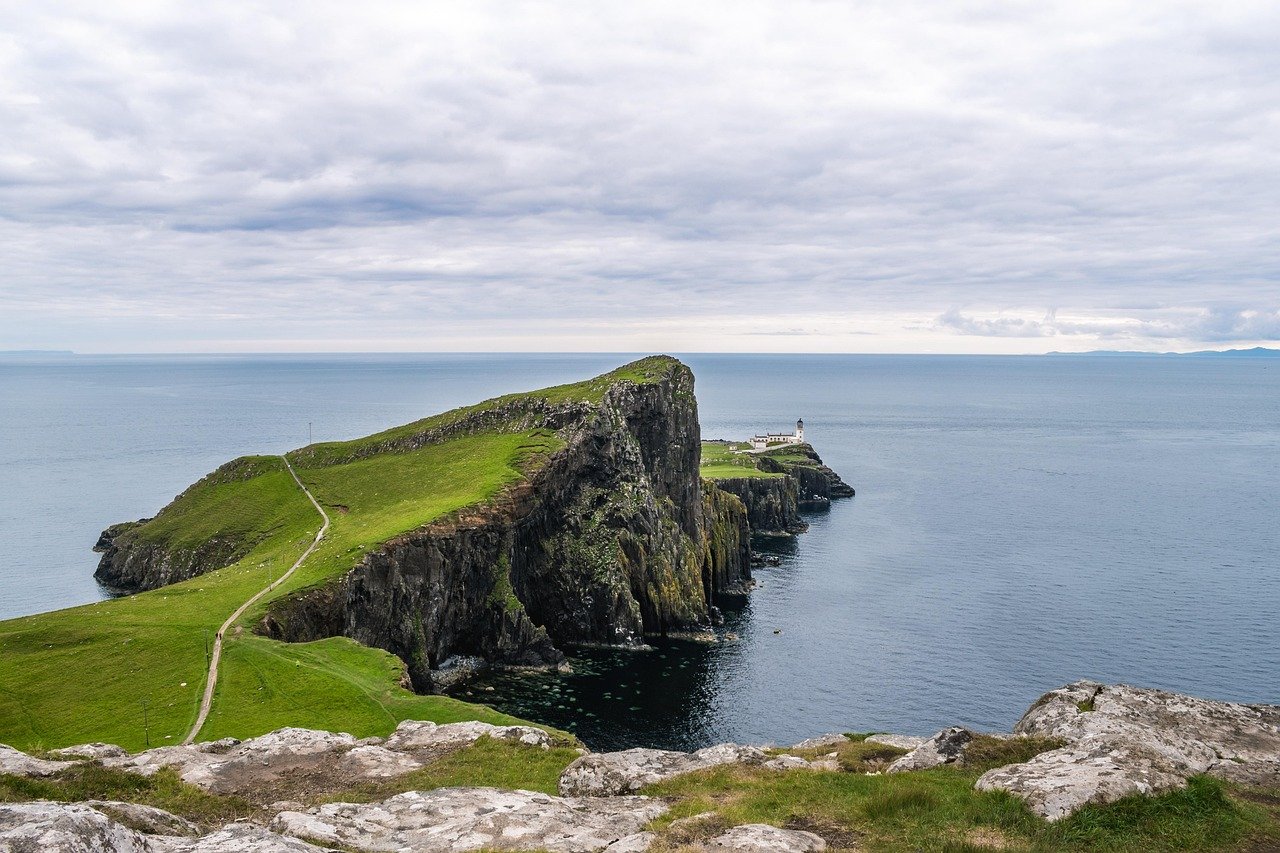

The Green Revolution on U.S. Coastal Islands
Sustainable Practices in Island Construction
Coastal islands in the U.S. are increasingly becoming models for green construction, utilizing innovative sustainable practices. These islands face unique challenges given their geographical locations, including vulnerability to climate change, rising sea levels, and ecological sensitivities. To combat these challenges, island communities are adopting eco-friendly building techniques that prioritize sustainability and resilience. The integration of renewable materials, energy-efficient designs, and waste-reducing practices shapes an ecological blueprint for future construction.
Renewable Energy Sources
Many U.S. coastal islands have shifted to renewable energy sources, becoming self-sustaining in response to the rising costs and environmental impacts of traditional energy. For instance, Nantucket has seen considerable investment in solar energy, significantly reducing its carbon footprint. The installation of solar panels on rooftops and community spaces harnesses the sun’s power, generating clean energy in an area known for its pristine beaches and historic charm.
Wind energy also plays a crucial role. Block Island, off the coast of Rhode Island, pioneered America’s first offshore wind farm, consisting of five turbines that supply approximately 90% of the island’s electricity. This innovative project not only serves the immediate energy needs of the island but also sets precedents for wind energy initiatives along America’s coastal regions.
Use of Sustainable Materials
Green construction relies heavily on the materials used in building processes. On coastal islands, constructing homes and commercial buildings with eco-friendly materials reduces the overall environmental impact. Reclaimed wood, recycled metals, and bamboo are commonly used due to their sustainability and durability.
Martha’s Vineyard is leading the charge by promoting the use of locally sourced materials. Builders are encouraged to use materials that minimize the carbon footprint associated with transportation and processing. This initiative not only supports local economies but also preserves the island’s natural beauty and ecological balance.
Innovative Design Techniques
Climate-resilient architecture is a critical focus for coastal islands. Proactive design techniques involve elevating structures above flood levels and incorporating natural landscape features that mitigate erosion. The architectural community in Key West is utilizing designs that blend seamlessly into the environment—tropical trees and native flora are integrated into construction to enhance aesthetics while also promoting habitat restoration.
Passive solar building designs are also becoming increasingly popular. Homes are oriented to maximize sunlight exposure during winter months and minimize it during summer, reducing the reliance on heating and cooling systems. This design philosophy epitomizes the harmonious relationship between human living spaces and the natural environment.
Water Conservation Practises
Water conservation is another aspect of green construction critical to coastal islands, which often face fresh water shortages. Innovative systems like rainwater harvesting and greywater recycling are being implemented in new constructions and renovations. These practices harness and recycle water, ensuring that every drop is used effectively.
On San Juan Island in Washington State, the adoption of xeriscaping—a landscaping method that reduces or eliminates the need for irrigation—is common. This practice is particularly effective in areas where water resources are limited. Native plants that thrive in the local climate are preferred, facilitating a habitat for local wildlife while minimizing maintenance and resource use.
Building Community Awareness
Local governments and organizations on U.S. coastal islands play a pivotal role in promoting awareness and education regarding green construction practices. Programs aimed at educating residents about sustainable living, energy efficiency, and disaster preparedness contribute to building a community-focused on sustainability.
Bainbridge Island, near Seattle, has embraced educational initiatives. The Island’s Green Building Council provides workshops and seminars focused on green building practices, engaging local architects, builders, and homeowners alike. Such programs foster a community of informed citizens, empowering them to make conscious decisions about their environmental impact.
The Role of Policy and Incentivization
Policy plays an instrumental role in supporting green construction on coastal islands. Government incentives, such as tax breaks and grants for renewable energy installations, motivate residents and businesses to adopt sustainable practices. In Florida, for example, various local municipalities are implementing green building codes that encourage or mandate energy-efficient designs and sustainable materials.
Moreover, coastal states like California have enacted legislation focusing on resilience, mandating that new constructions in vulnerable areas adhere to strict environmental criteria. This policy shift acknowledges the unique challenges faced by coastal communities, pushing them to pioneer adaptive and sustainable living practices.
Challenges and Future Outlook
Despite the advances in green construction on U.S. coastal islands, there are inherent challenges. Funding and resources for innovative building projects can be limited, especially on smaller islands. Additionally, the balance between preserving natural landscapes and accommodating growth remains a contentious issue.
However, the momentum toward sustainability is undeniable. As the impacts of climate change become increasingly visible, communities are recognizing the necessity of proactive development practices. The combination of vibrant local advocacy, regulatory support, and community engagement ensures that U.S. coastal islands will continue to lead the way in green construction.
Case Studies of Successful Projects
Block Island Wind Farm: The establishment of the Block Island Wind Farm is emblematic of embracing renewable energy. With a capacity of 30 megawatts, this project not only powers the island but also attracts eco-tourism, highlighting the benefits of sustainable practices.
Bainbridge Island’s Green Building Projects: With multiple homes near completion using locally sourced and sustainable materials, Bainbridge Island serves as a benchmark for residential green construction standards and community practice.
Nantucket’s Solar Initiatives: With various installations throughout the island, Nantucket shows how renewable energy solutions can be woven into the fabric of historical architecture without compromising aesthetics.
Continuing on this path of sustainability will determine the resilience and ecological footprint of U.S. coastal islands. Their commitment to green construction will showcase not just environmental responsibility but innovation that could reshape coastal development across the country.
