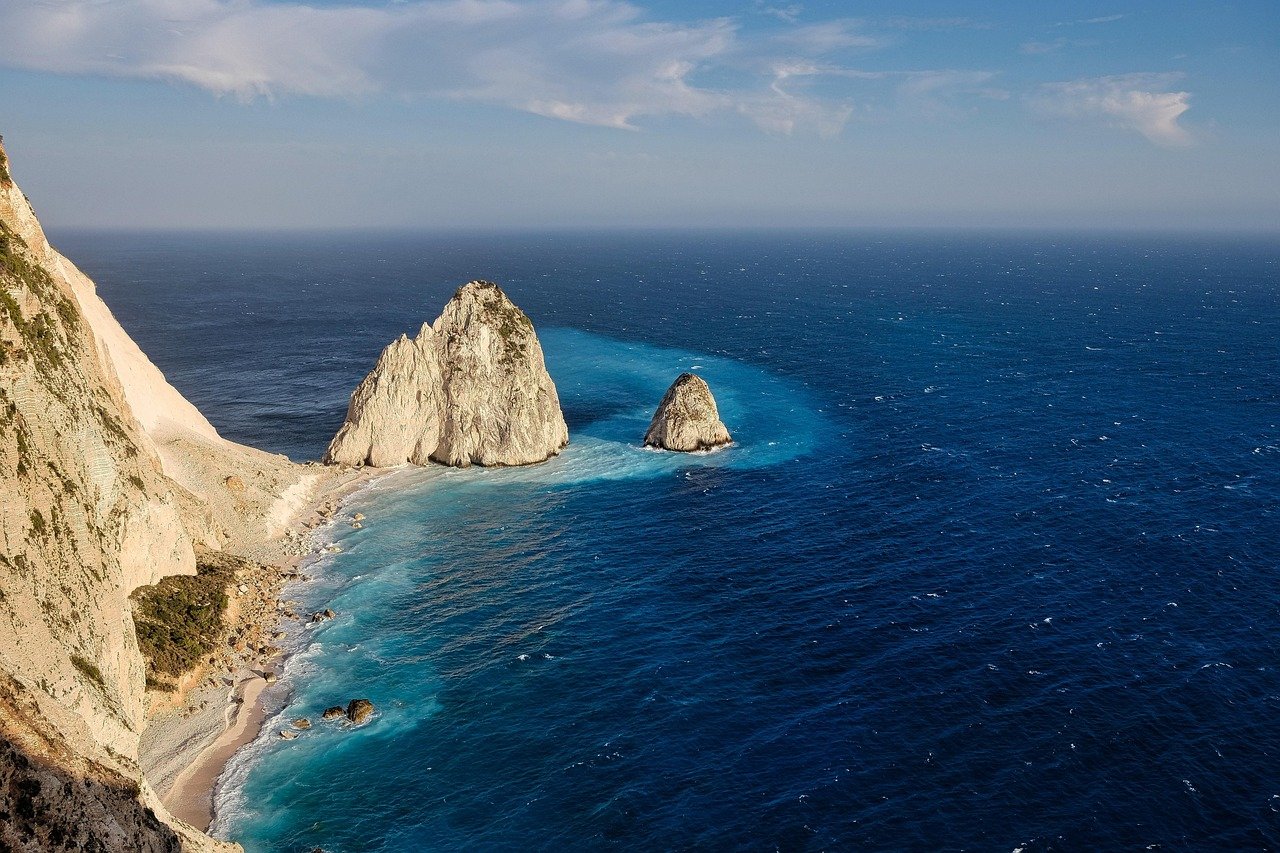

Developing Paradise: Navigating Challenges in Island Commercial Projects
Understanding the Unique Landscape of Island Development
Island commercial projects present unique opportunities and challenges that differ significantly from mainland development. Their geographical isolation can enhance tourism potential, but it also complicates logistics and regulatory environments. Understanding these distinctive aspects is vital for successful project initiation and execution.
Market Research and Feasibility Studies
Conducting comprehensive market research is the first step in island development. Feasibility studies should focus on:
-
Economic Viability: Assess local economics and potential customer base. Identifying viable markets ensures that the project can sustain itself.
-
Tourism Trends: Study seasonal tourist patterns, preferences, and emerging travel trends. Data on inbound tourist activities can pinpoint what type of commercial ventures might succeed, whether they be hospitality, retail, or recreational services.
-
Local Legislation: Understanding zoning laws, building codes, and environmental regulations is crucial. Each island has different policies, often influenced by local politics or environmental needs, which can significantly impact project timelines and costs.
Risk Assessment and Mitigation Strategies
Island projects face various risks that necessitate careful planning:
-
Natural Disasters: Islands are often prone to hurricanes, earthquakes, and flooding. Conducting risk assessments to develop contingency plans can mitigate financial and reputational damages.
-
Supply Chain Limitations: Importing building materials or equipment to an island often incurs high shipping costs and delays. Assessing local sourcing options, or even on-site production solutions, can help alleviate these issues.
-
Labor Market Challenges: Assessing the availability of skilled labor is critical. Islands may have a limited local workforce, necessitating the recruitment of talent from the mainland, which adds complexity to hiring and onboarding processes.
Sustainable Development Practices
Emphasizing sustainability is not just a trend but a necessity in island development. Incorporating environmentally friendly practices can enhance marketability and community acceptance.
-
Green Building Materials: Use of sustainable, locally-sourced materials minimizes carbon footprints and supports local economies.
-
Renewable Energy Sources: Implementing solar panels, wind turbines, or bioenergy systems can help reduce dependency on imported fossil fuels, which is often costly in island settings.
-
Waste Management: Developing robust waste management systems is crucial for preserving the natural beauty of the island environment. Initiatives for recycling and waste reduction can support project sustainability.
Community Engagement and Stakeholder Communication
Engaging with local communities is essential for the success of island commercial projects. Building positive relationships can help mitigate opposition and enhance project acceptance.
-
Public Consultations: Host forums and discussions to solicit feedback from community members. This input is vital for aligning project goals with local needs and preferences.
-
Partnership Opportunities: Collaborating with local businesses and organizations can strengthen the island economy and ensure that projects align with community values.
-
Transparent Communication: Regularly update stakeholders on development progress and setbacks. Maintaining an open line of communication fosters trust and encourages a collaborative atmosphere.
Infrastructure Considerations
Infrastructure forms the backbone of any island development project. Special attention must be given to the following elements:
-
Transportation Access: Adequate transportation solutions are critical for attracting both visitors and workforce. Evaluating the current transportation infrastructure, including ferries, airports, and roads is essential for project viability.
-
Utility Services: Reliable supply of water, electricity, and telecommunications must be ensured. Investing in modern infrastructure reduces future operational costs and attracts more investors.
-
Health and Safety Regulations: Compliance with health and safety regulations is paramount. This encompasses everything from construction practices to the operation of commercial businesses, ensuring they meet local and international standards.
Funding and Investment Strategies
Securing funding for island projects can be particularly challenging due to the remote nature of the location and perceived risks. Creative funding solutions may include:
-
Public-Private Partnerships: Collaborating with government entities can secure financial support, necessary permits, and enhance project credibility.
-
International Investment: Attracting foreign investors who specialize in tourism or hospitality can provide the capital needed. Presenting clear, data-driven business plans can entice potential investors.
-
Crowdfunding: Engaging the community and interested stakeholders through crowdfunding could be an innovative funding avenue, allowing local residents to invest in projects they feel passionate about.
Leveraging Technology in Development
Incorporating technology into island commercial development can streamline processes and enhance efficiency:
-
Project Management Software: Utilizing tools for tracking progress, budgets, and timelines can improve overall project management, especially in complex island environments.
-
Virtual Reality: Employing virtual reality tools can assist in visualizing the development before it is built, helping stakeholders better understand project offerings.
-
Smart Technology: Integrating smart technologies into commercial operations can optimize energy efficiency, improve customer experiences, and manage resources effectively.
Marketing and Promotion Strategies
Effective marketing is essential for the launch and ongoing success of island commercial ventures:
-
Brand Development: Creating a strong, appealing brand identity can set the project apart in a competitive market. This involves careful consideration of logos, aesthetics, and communication style.
-
Digital Marketing Initiatives: Employing SEO-focused strategies, social media, and influencer partnerships can raise awareness and attract visitors, stakeholders, and potential customers.
-
Unique Selling Propositions (USP): Emphasize what makes the project unique. Whether it’s a local culinary experience or eco-friendly accommodations, highlighted USPs can draw interest and traffic.
Monitoring and Evaluation
Once project implementation begins, ongoing assessment and adaptation are critical for success:
-
Performance Metrics: Establish key performance indicators related to visitor numbers, economic sustainability, and community impact to gauge progress.
-
Feedback Mechanisms: Offer channels for customer feedback to gauge satisfaction and make necessary adjustments. This process fosters continuous improvement.
-
Environmental Monitoring: Conduct regular evaluations of environmental impact to ensure the project adheres to sustainability goals and regulatory requirements.
By understanding these elements, developers can better navigate the complex landscape of island commercial projects, leading to successful outcomes that benefit both investors and local communities alike.
