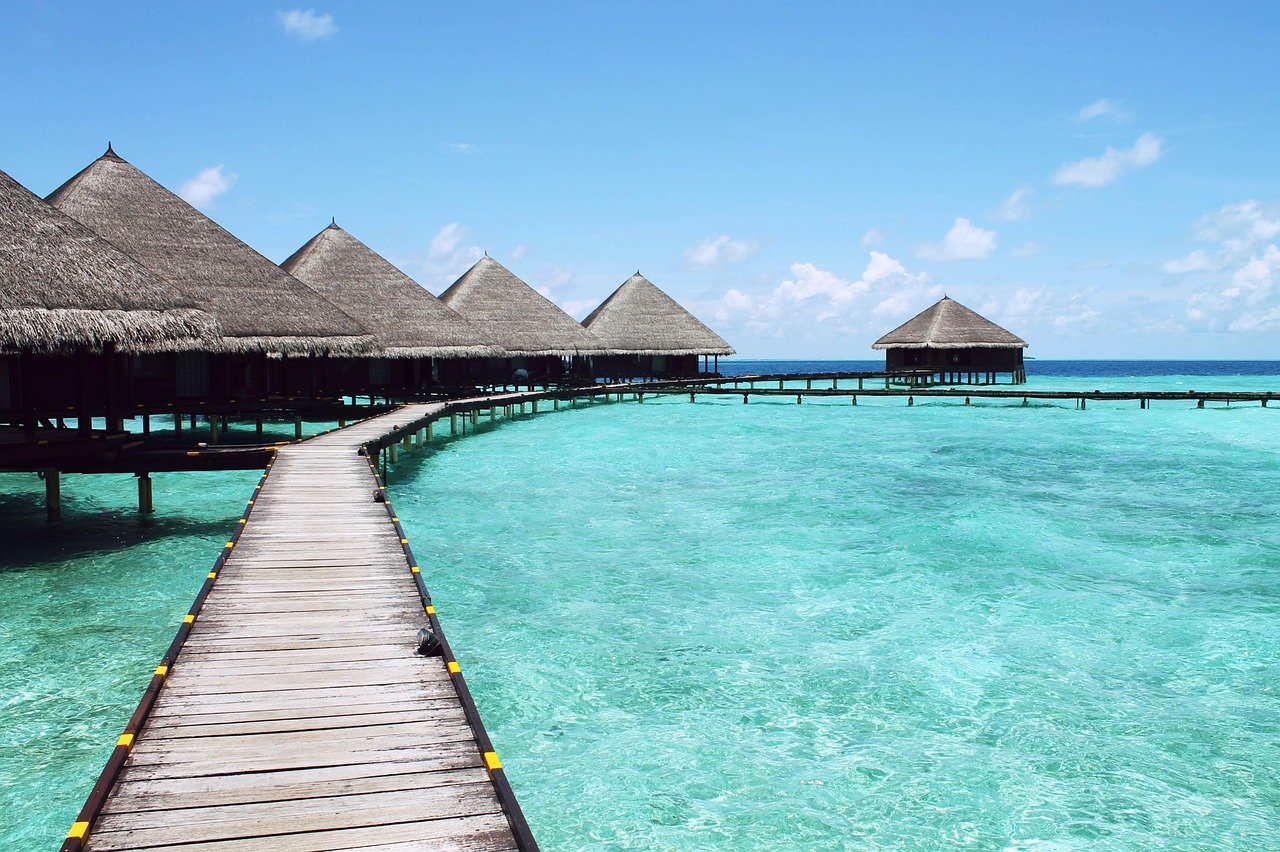

Hawaii’s Eco-Conscious Properties: Sustainable Living in Paradise
The Importance of Eco-Conscious Living
Hawaii, known for its stunning landscapes and rich cultural heritage, is also at the forefront of eco-conscious living. With its unique ecosystems and biodiversity, the islands are a living laboratory showcasing sustainable practices that protect the natural environment. Eco-conscious properties focus on minimizing ecological footprints, ensuring that visitors can enjoy the islands while preserving them for future generations.
Types of Eco-Conscious Properties
Hawaii boasts a rich variety of eco-conscious accommodations. These range from eco-lodges to sustainable resorts that incorporate green technologies and practices, ensuring guests experience the islands responsibly and directly engage with their surroundings.
-
Eco-Lodges: These lodges typically utilize renewable energy sources, such as solar power and wind energy, to minimize their environmental impact. Properties like the Hawaii Eco Retreat on the Big Island are exemplary of this type, featuring natural building materials and water conservation systems.
-
Sustainable Resorts: Many resorts are now focusing on sustainable tourism. The Karma Spa at the Karma Resort in Hawaii offers luxurious amenities while promoting environmental health through practices such as organic gardening and organic, locally sourced food.
-
Green Vacation Rentals: Home-sharing platforms offer numerous eco-friendly options. Hosts often implement energy-saving appliances, composting systems, and provide updated water filtration systems to encourage resource conservation.
Sustainable Practices in Eco-Conscious Properties
Several sustainable practices are common among eco-conscious properties in Hawaii:
-
Renewable Energy Sources: Solar panels can be found on many properties, allowing for the harnessing of the abundant Hawaiian sun. For example, properties in Maui utilize solar water heating and photovoltaic systems to reduce their carbon footprint.
-
Water Conservation: Given Hawaii’s unique geographical challenges, many eco-properties implement systems to conserve and recycle water. Rainwater catchment systems and greywater reuse strategies are increasingly common, allowing properties to significantly decrease water consumption while maintaining lush landscapes.
-
Waste Management: Aimed at reducing waste, properties often have comprehensive recycling programs and composting systems in place. Initiatives like O‘ahu’s Zero Waste program inspire hotels and vacation rentals to think critically about their waste and implement composting practices that convert food scraps into nutrient-rich soil.
-
Native Plant Landscaping: Numerous eco-conscious properties utilize native Hawaiian plants in landscaping to promote biodiversity and reduce the need for water and synthetic fertilizers. This approach not only aids in conservation but also offers guests an authentic Hawaiian experience.
Engaging Local Communities
Eco-conscious properties in Hawaii prioritize partnerships with local communities to empower and engage residents. This can include:
-
Supporting Local Farmers: Many eco-resorts and lodges emphasize farm-to-table dining experiences. By sourcing ingredients from local farmers, properties not only reduce food miles but also support the island’s agricultural community. Partnerships with organizations like the Kona Farm Bureau help bolster local economies while offering guests seasonal, fresh dishes.
-
Cultural Education Programs: Many eco-properties provide guests with educational opportunities about Hawaiian history, culture, and sustainability efforts. Programs include hula classes, luaus, and workshops on traditional farming techniques, enriching guests’ experiences and fostering a deeper connection with Hawaiian culture.
-
Volunteer Opportunities: Some eco-lodges and hotels offer guests the chance to participate in local conservation projects, such as reforestation efforts or marine conservation programs. This immersion helps visitors contribute directly to the preservation of Hawaiian ecosystems while enhancing their vacation experience.
Vegetation and Wildlife Preservation
Hawaii’s incredible biodiversity necessitates a focus on wildlife preservation. Eco-conscious properties contribute to this effort as follows:
-
Marine Conservation: Pioneering resorts along the coasts engage guests in understanding marine ecosystems. For instance, Haleakalā National Park promotes snorkeling and diving excursions that emphasize the importance of coral reef preservation.
-
Endangered Species Protection: Many eco-properties partner with organizations to protect endangered species like the Hawaiian monk seal and the green sea turtle. Guests can participate in ongoing research and restoration work, learning about the vital role these species play in the ecosystem.
Certifications and Recognitions
Various certifications highlight the commitment of eco-conscious properties to sustainability. The following certifications are noteworthy:
-
Green Key Global: This eco-label is awarded to hotels that adhere to environmental standards, helping guests identify green-friendly accommodations.
-
Sustainable Tourism Certification: Programs like the Hawaiian Green Business Program recognize businesses that meet specific sustainability criteria, including implementing eco-friendly practices and engaging in community initiatives.
-
LEED Certification: Some resorts seek LEED (Leadership in Energy and Environmental Design) certification, showcasing their commitment to building sustainably and maintaining eco-friendly operations.
Future Trends in Eco-Conscious Living
As the tourism sector evolves, several trends indicate an increase in eco-conscious initiatives:
-
Digital Sustainability: Utilizing technology to monitor and reduce energy consumption will likely become more prevalent. Digital platforms can assist in tracking carbon footprints and optimizing resource use.
-
Experiential Travel: Increased demand for immersive experiences will see more eco-properties offering hands-on activities, from working on local farms to participating in conservation tasks.
-
Collaboration and Innovation: Expect collaborations between eco-conscious properties and environmentally-focused organizations to drive innovations in sustainability, fostering exchange of best practices while enhancing guest experiences.
Hawaii’s eco-conscious properties offer an unparalleled opportunity for sustainable living in paradise. With a focus on ecological integrity, cultural engagement, and community empowerment, these properties not only appeal to eco-minded travelers but also contribute to the preservation of Hawaii’s unique environments and rich heritage. Through conscious choices and sustainable practices, these properties pave the way for a future where paradise can be enjoyed by generations to come.
