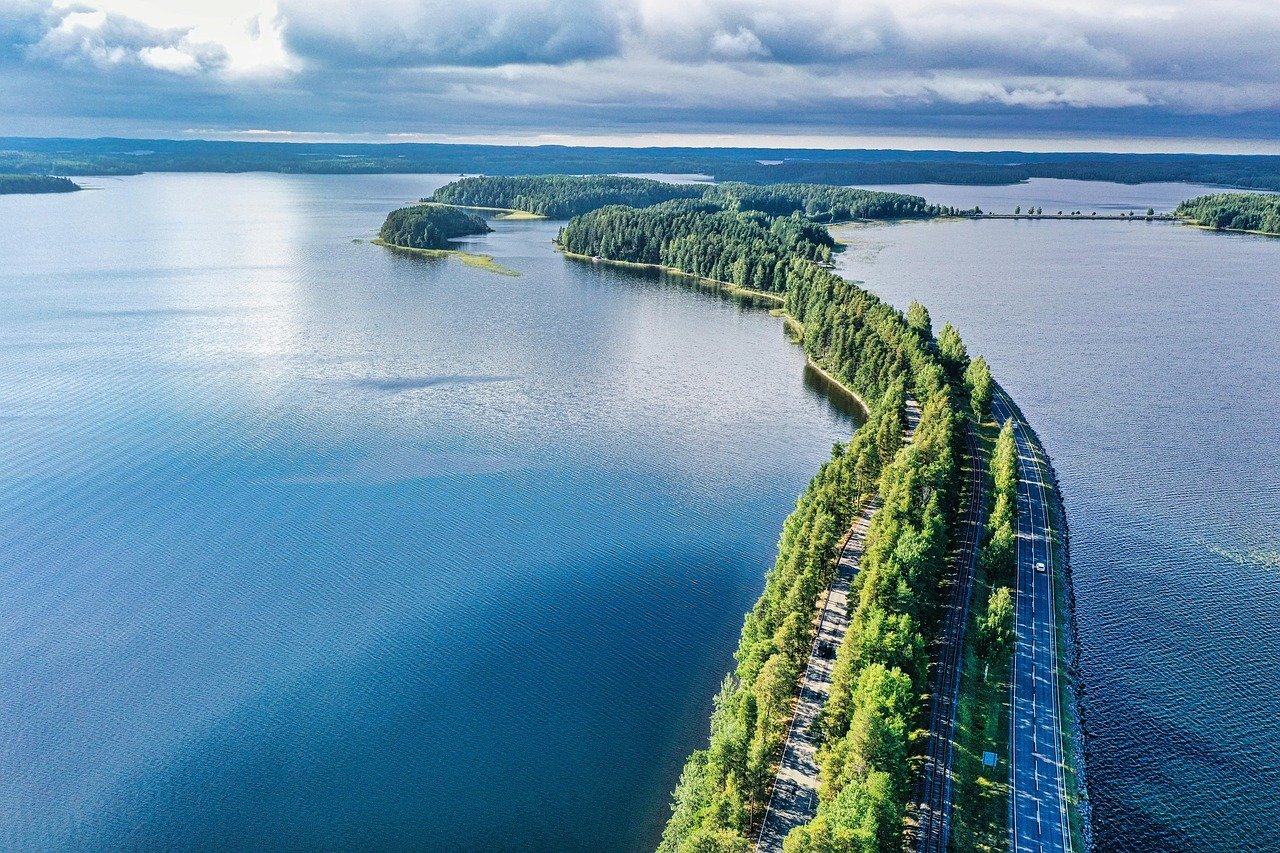

Island Living: Embracing Eco-Friendly Communities in the U.S.
The Rise of Eco-Friendly Island Communities
Across the United States, a new movement towards eco-friendly living has captured the attention of individuals and families alike. This movement has manifested notably in the development of island communities, where the harmony between nature and sustainable living takes center stage. As environmental awareness grows, island living offers a unique opportunity for residents to directly engage with their surroundings while minimizing their ecological footprint.
Characteristics of Eco-Friendly Island Communities
Renewable Energy Sources
Eco-friendly island communities prioritize renewable energy, using sources like solar, wind, and tidal energy. Many of these communities are taking significant steps towards energy independence, reducing reliance on fossil fuels. For instance, the island of Block Island, Rhode Island, boasts the first offshore wind farm in the US, contributing substantially to the island’s energy needs. Residents can often partake in community initiatives to install solar panels, harnessing the abundant sun that characterizes many island locales.
Sustainable Architecture
Sustainable architecture plays a vital role in these communities. Eco-friendly homes are constructed using sustainable materials that minimize environmental impact. Designs often incorporate features such as green roofs, natural ventilation, and water-efficient landscaping, all geared towards reducing energy consumption and promoting sustainability. For example, on San Juan Island, Washington, builders are increasingly adopting passive solar designs to reduce heating needs and enhance energy efficiency.
Water Conservation Measures
Water conservation is critical in island living, where freshwater resources can be limited. Many eco-friendly communities implement rainwater harvesting systems and use xeriscaping practices to create water-efficient landscapes. The islands of the Florida Keys have embraced such initiatives, encouraging residents to install rain barrels and utilize drought-resistant native plants to maintain the natural beauty without depleting precious water supplies.
Community Engagement and Education
Eco-Tourism Initiatives
Eco-tourism is an integral aspect of many island communities, promoting sustainable travel and environmental awareness. Visitors are encouraged to engage in local conservation efforts and enjoy nature responsibly. Places like Catalina Island off the coast of California offer various eco-tours that educate visitors about the local ecosystem, marine life, and ongoing conservation projects. This not only enhances the tourism experience but also fosters a sense of community among residents and visitors.
Local Farming and Organic Practices
Local farming initiatives are gaining traction in eco-friendly island communities, where residents focus on organic farming practices. Community-supported agriculture (CSA) programs allow residents to access fresh, organic produce while supporting local farmers. For example, on Martha’s Vineyard, Massachusetts, local farmers utilize organic practices and collaborate with residents to create vibrant farmers’ markets, fostering community spirit and promoting healthy eating habits.
Educational Programs
Education is paramount in eco-friendly communities. Many island initiatives prioritize educational programs focused on sustainability, inviting both community members and guests to participate in workshops and seminars. The ‘Green Living’ programs on Orcas Island are geared toward teaching residents about food preservation, permaculture, and the importance of biodiversity, fostering an informed populace committed to sustainable living practices.
Biodiversity and Conservation Efforts
Habitat Preservation
Biodiversity in island ecosystems is often under threat, necessitating active conservation efforts. Communities are taking steps to preserve local habitats and promote ecological resilience. For instance, in the Florida Keys, residents participate in restoring coral reefs and mangroves, vital for marine life. Conservation programs centered on educating locals about the ecological importance of these habitats encourage broader involvement in preservation efforts.
Wildlife Protection Initiatives
In many island communities, wildlife protection initiatives have emerged to safeguard native species. The Hawaiian Islands, for example, are home to various endangered species, prompting local groups like the Hawaiian Islands Humpback Whale National Marine Sanctuary to spearhead protection campaigns. Education about these species and their habitats is paramount in promoting conservation as a community value.
Innovative Eco-Friendly Practices
Sustainable Transportation Solutions
Transportation in island communities is increasingly becoming greener. Electric vehicles (EVs), bike-sharing programs, and pedestrian-friendly infrastructure promote eco-friendly commuting. In Bainbridge Island, Washington, a robust transit system and extensive biking trails encourage residents to opt for sustainable transportation, reducing greenhouse gas emissions and promoting healthier lifestyles.
Waste Management and Recycling Programs
Effective waste management practices are fundamental in achieving sustainability. Many island communities implement comprehensive recycling programs and composting initiatives to minimize waste. The Isle of Palms in South Carolina has made strides in reducing single-use plastics and encouraging recycling among residents, showcasing the potential for waste diversion strategies in smaller communities.
Economic Benefits of Eco-Friendly Living
Increased Property Values
Investments in eco-friendly infrastructure and sustainability programs often lead to increased property values. Island homes designed with sustainability in mind tend to attract environmentally conscious buyers. This is observable in communities like Nantucket, where green homes are seen as desirable real estate, enhancing their market appeal.
Job Creation in Sustainable Industries
Transitioning to eco-friendly practices creates job opportunities in various sectors, including renewable energy, sustainable tourism, and organic agriculture. As island communities harness green technology advancements and promote eco-friendly businesses, they contribute to the local economy while supporting environmental goals.
Challenges Faced by Eco-Friendly Island Communities
Climate Change Risks
Despite their strengths, eco-friendly island communities face the significant challenge of climate change. Rising sea levels, erosion, and extreme weather events threaten their sustainability efforts. Coastal communities, such as those in the Outer Banks of North Carolina, must constantly adapt to these changes while striving to maintain ecological integrity.
Balancing Development and Conservation
Balancing growth with conservation can be challenging as demand for sustainable island living increases. Communities must navigate the complexities of responsible development while safeguarding their natural environments, often leading to debates among residents about prioritization and resource allocation.
The Future of Island Living
As more individuals recognize the benefits of eco-friendly communities, the trend toward sustainable island living is likely to continue. Ultimately, the effort to combine community engagement, sustainable practices, and respect for nature creates vibrant environments where residents can thrive. By embracing these principles, island communities across the U.S. are setting a powerful example of how to live harmoniously with nature, ensuring a brighter and greener future for generations to come. Through active participation and commitment, island living becomes a model for eco-friendly practices that can be adopted elsewhere, reinforcing the interconnectedness of communities and the environment.
