
Sustainable Building Practices for Eco-Friendly Island Properties
Understanding Sustainable Building
Sustainable building practices focus on creating structures that reduce their environmental impact and promote resource efficiency throughout the building’s lifecycle. On islands, where resources are often scarce, these practices take on added importance. By using sustainable design strategies, developers can ensure that local ecosystems remain protected while delivering functional and durable properties.
Importance of Eco-Friendly Materials
Using eco-friendly, sustainable building materials is crucial for island properties. Materials such as bamboo, reclaimed wood, recycled steel, and low-VOC (Volatile Organic Compounds) paint can significantly lower the impact on local ecosystems. They not only require less energy to produce but also foster the conservation of natural resources. For example, bamboo is fast-growing and serves as an ideal alternative to traditional timber, offering durability without the long regeneration cycles.
Energy Efficiency
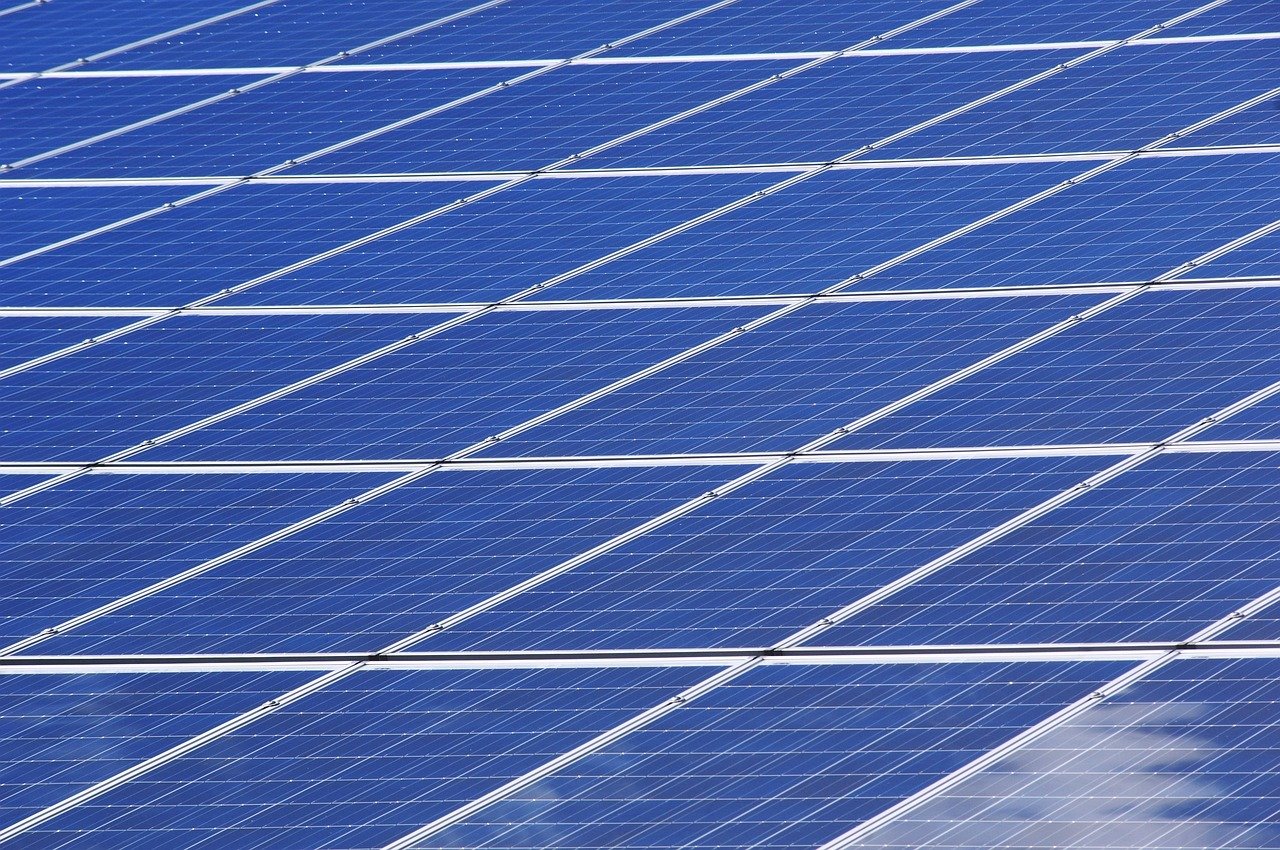
Energy-efficient technologies are essential components of sustainable island properties. Incorporating solar panels and wind turbines helps harness renewable energy sources, reducing reliance on fossil fuels. The use of high-efficiency appliances, LED lighting, and smart home technology can further reduce energy consumption. For instance, LED bulbs consume up to 75% less energy than traditional incandescent bulbs, which can contribute to significant cost savings over time.
Proper Site Selection and Landscaping
The selection and design of the building site should take into account local ecosystems, minimizing disruption to native plant and animal life. Utilizing strategies such as native landscaping, which incorporates local flora that requires little to no irrigation, can maintain the natural aesthetic and support local wildlife. Also, implementing permeable paving options can ensure proper water drainage, reducing runoff and allowing groundwater replenishment.
Water Conservation Techniques
Water scarcity can be a serious challenge on islands. Sustainable properties employ methods such as rainwater harvesting, greywater recycling systems, and water-efficient fixtures to conserve water. Rainwater harvesting systems can capture and filter rainwater for irrigation or non-potable uses, while greywater systems recycle water from sinks and showers for landscape irrigation.
Innovative Building Designs
Architectural designs that maximize natural ventilation can reduce dependence on air conditioning. Open floor plans, strategically placed windows, and overhangs can enhance airflow and natural light throughout the property. This prevents the overuse of artificial cooling systems, promoting healthier indoor environments.
Green Roofs and Walls
Incorporating green roofs and vertical gardens can significantly enhance the ecological benefits of island properties. These living systems provide insulation, improve air quality, and reduce stormwater runoff. They also create habitats for local wildlife and add aesthetic value to the building’s exterior.
Utilizing Local Craftsmanship
Incorporating local craftsmanship not only supports the island’s economy but also enhances the cultural relevance of the building. By using local artisans and traditional building techniques, developers create a unique sense of place while reducing transportation emissions that are associated with shipping materials from far away.
Passive Solar Design
Leveraging passive solar design can help buildings maintain comfortable temperatures naturally. This includes positioning the building to maximize sunlight exposure during winter months while minimizing heat during summer through proper shading. Features like large overhangs or awnings can be particularly effective for this purpose.
Reuse and Renovation
Promoting the reuse of existing structures instead of new construction can greatly reduce environmental footprints. Renovating and retrofitting older buildings can preserve cultural heritage while minimizing waste, as it keeps materials out of landfills and reduces the energy costs associated with new construction.
Certifications for Sustainability
Accreditation from organizations such as LEED (Leadership in Energy and Environmental Design), Green Globes, or the Living Building Challenge can enhance the credibility of sustainable building practices. Achieving these certifications demonstrates a commitment to sustainability, providing property owners with potential marketing advantages and financial incentives.
Community Involvement
Engaging with local communities can yield numerous benefits for sustainable property development. Input from residents can guide design choices that align with cultural values, environmental considerations, and ecological preservation. Community-oriented initiatives can cultivate a sense of ownership among locals, fostering long-term care for the properties and surrounding environments.
Smart Technology Integration
Offering smart home features can elevate the sustainability of island properties. Automation systems that allow users to monitor energy consumption, control lighting, and manage heating/cooling systems can contribute to energy efficiency. Smart meters can provide real-time insights into water and energy usage, empowering residents to make informed choices.
Waste Management Solutions
Effective waste management practices are essential for maintaining ecological balance. Encouraging composting, recycling, and the use of biodegradable materials can minimize waste and promote sustainability. On islands, where landfills may be limited, implementing comprehensive waste management plans ensures that resources remain within the community.
Sustainable Transportation Options
Encouraging the use of sustainable transportation can significantly reduce the carbon footprint of island properties. Designing walkable neighborhoods and integrating bicycle paths can promote environmentally friendly transportation methods. Furthermore, providing access to electric vehicle charging stations can facilitate the transition to greener personal transportation options.
Resilience Against Climate Change
Due to rising sea levels and increased storm frequency, island properties must be designed with resilience in mind. Elevating structures, utilizing flood-resistant materials, and creating natural barriers can protect properties against climate threats. Communities can also benefit from adopting comprehensive disaster preparedness plans.
The Future of Sustainable Island Living
As the demand for eco-friendly properties grows, innovative approaches to sustainable building practices stand to reshape the landscape of island living. The combination of local materials, energy efficiency, and community involvement fosters a vision for a future where islands remain pristine and habitable. Developers, builders, and communities alike must continue to collaborate on sustainable initiatives, ensuring that islands thrive in harmony with nature.
By embracing these multiple dimensions of sustainable building practices, island properties can lead the way in promoting a healthier environment and a more sustainable future for all.
