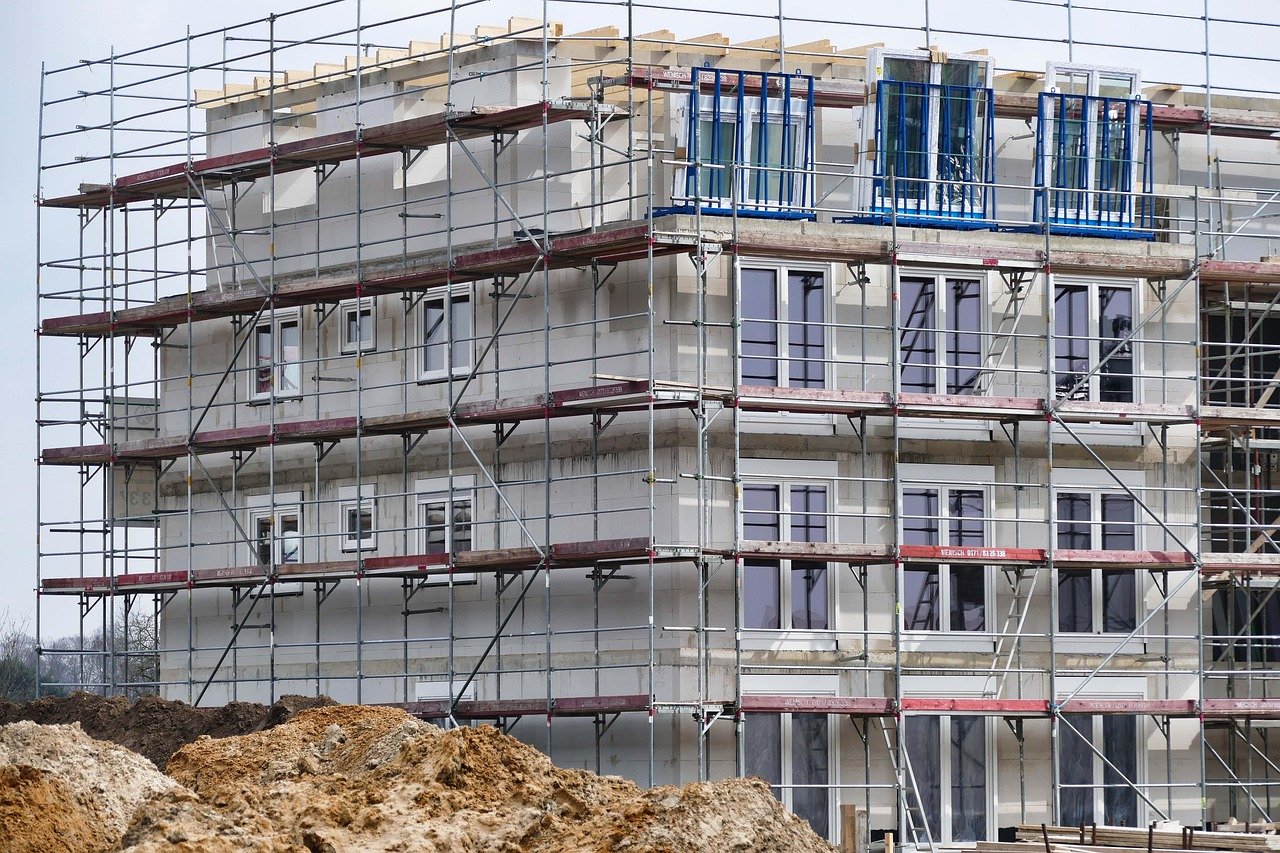

Understanding Modular Homes
Modular homes, also known as prefabricated homes, are constructed in a factory setting and then transported to their designated sites for assembly. This method contrasts sharply with traditional construction, where homes are built entirely on-site. The modular construction process allows for a higher level of quality control and efficiency, as each unit is built in a controlled environment. This construction innovation has gained traction due to its affordability and reduced construction time. However, its significant role in promoting sustainability in construction is gaining recognition.
Environmental Benefits of Modular Homes
-
Reduced Waste: One of the primary benefits of modular homes is the reduction of construction waste. Traditional building methods often lead to surplus materials being discarded on-site. In contrast, factory settings allow for precise measurements and standardized components, minimizing waste. According to the U.S. Environmental Protection Agency (EPA), construction and demolition debris accounted for over 600 million tons of waste in 2018. Modular construction can vary that statistic dramatically.
-
Energy Efficiency: Modular homes are often built with energy-efficient materials and construction practices, allowing for lower energy consumption both during and post-construction. Many modular homes feature high-performance insulation, energy-efficient windows, and HVAC systems, leading to reduced utility costs for residents and a smaller carbon footprint overall. Moreover, builders can incorporate renewable energy sources like solar panels during the manufacturing process.
-
Sustainable Materials: The choice of materials significantly impacts a home’s sustainability. Modular construction typically suggests the use of sustainable and environmentally friendly materials, such as recycled steel, bamboo, and reclaimed wood. These choices not only avoid the depletion of natural resources but also enhance the durability and lifespan of the homes.
Economic Advantages and Sustainability
-
Affordability: The affordability of modular homes arises from the efficiency of the construction process. Reduced labor costs, fewer material waste, and streamlined timelines contribute to lower overall expenses for both builders and homebuyers. This economic model not only facilitates homeownership but also enables builders to adopt more sustainable materials without enlarging budgets.
-
Energy Savings: Homeowners of modular homes benefit from decreased energy bills derived from efficient construction practices. In many cases, these homes exceed building code requirements for energy efficiency, enabling residents to save significantly over time. Furthermore, lower energy demand translates into less reliance on fossil fuels, which aligns with global sustainability goals.
Design Flexibility in Sustainable Modular Homes
-
Customizable Designs: Modular homes come with customizable designs that allow homeowners to create a space that meets their needs while considering sustainable living principles. With the use of advanced technology, clients can personalize their layouts without surpassing environmentally friendly premises. Builder designs further enhance the incorporation of energy-efficient features, such as passive solar design.
-
Land Efficiency: Modular homes are versatile in design, enabling denser development compared to traditional homes. This efficiency helps reduce urban sprawl, preserving natural landscapes and ecosystems. Enabling smaller footprints means that communities are less disrupted by extensive development, which is often detrimental to local wildlife and habitats.
Technology and Innovation Driving Sustainability
-
Smart Home Integration: The rise of smart home technology in modular homes encourages energy conservation. Smart thermostats, lighting, and appliances enable homeowners to monitor and control energy usage effortlessly. The integration of these technologies is more common in modular homes due to their customizable nature, allowing homeowners to choose features that align with their sustainability goals.
-
Advanced Building Techniques: Modular homes utilize state-of-the-art building methods, such as 3D printing and advanced robotics, to ensure high precision and reduced energy consumption during construction. These techniques help in minimizing waste, improving safety, and expediting the building process, making sustainable construction more attainable.
Community and Modular Homes
-
Fostering Affordable Housing: Modular homes can address the affordable housing crisis faced by several communities. Providing low-cost, energy-efficient homes can help communities reduce homelessness and improve quality of life while adhering to sustainable practices. Housing affordability and sustainability can in tandem enhance community dynamics, create stability, and reduce urban inequalities.
-
Encouraging Sustainable Lifestyles: Modular homes connect residents with sustainable living behaviors. Efficient designs and a focus on energy conservation can motivate residents to adopt eco-friendly practices like recycling, waste reduction, and conscientious energy use. By fostering a sustainable community environment, modular homes can stimulate a cultural shift towards greener living.
The Future of Modular Homes in Sustainable Construction
-
Regulatory Support: Regulatory environments are progressively supporting sustainable building practices. Governments worldwide are incentivizing sustainable construction through tax credits, grants, and updates to building codes that favor modular building techniques. As legislation evolves, the collaborative efforts can drastically shift public perceptions toward modular construction as a primary method for sustainable development.
-
Continuous Innovation: The future of modular homes in sustainable construction lies in continued innovation. Research and development in sustainable technologies will focus on enhancing the energy efficiency of building materials, improving safety features, and reducing construction costs. As these advances occur, the modular home industry is poised to become a leader in environmentally conscious building practices.
Conclusion
As the world grapples with climate change and the need for sustainable practices, modular homes offer an innovative and effective solution. Their reduced waste, energy efficiency, and cost-effectiveness paint them as a pivotal player in the sustainable construction sector. With the growing support of regulations and technology, modular homes are set to revolutionize how we build and live while promoting an eco-friendly lifestyle.
