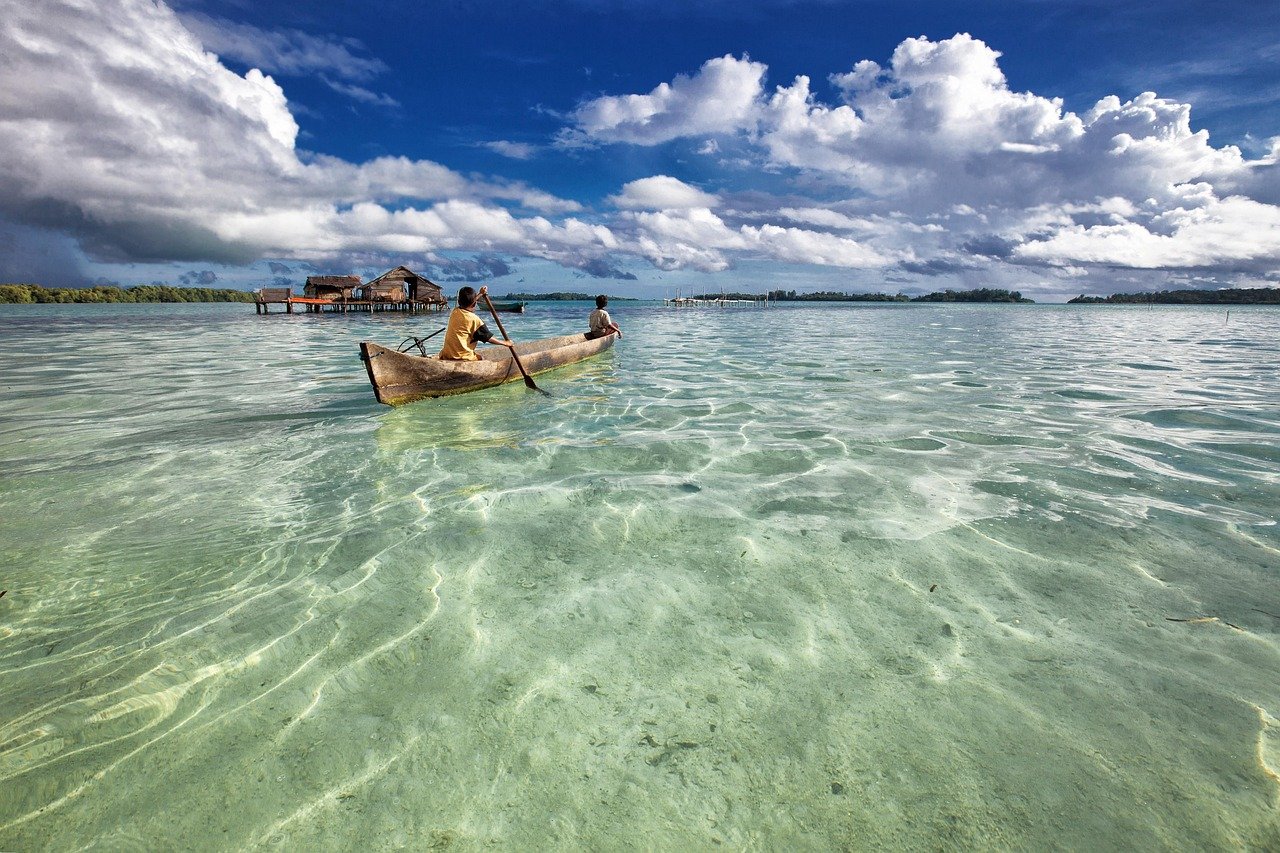

Understanding Island Life Enhancement Through Innovative Developments
The Rise of Island Tourism
As global tourism continues to thrive, island destinations are emerging as attractive options, offering unique experiences and breathtaking natural beauty. The allure of sun-kissed beaches, lush landscapes, and vibrant cultures draws millions of travelers to islands worldwide. The increase in tourism necessitates innovative practices to not only sustain these environments but also enhance the quality of life for both visitors and residents.
Sustainable Tourism Practices
Sustainable tourism is at the forefront of innovative island developments. By focusing on eco-friendly practices, destinations can manage tourism growth effectively while preserving their natural resources and cultural heritage.
-
Eco-Resorts: These developments utilize renewable energy sources, such as solar and wind power, and materials sourced sustainably. Eco-resorts blend seamlessly with their natural surroundings, ensuring minimal environmental impact. Guests are encouraged to partake in conservation activities, promoting environmental stewardship.
-
Water Conservation Techniques: In regions where fresh water is scarce, innovative developments incorporate rainwater harvesting systems and greywater recycling. By implementing these technologies, islands can combat water scarcity while providing for both tourists and residents.
-
Wildlife Protection Initiatives: Integrating wildlife education programs and creating protected areas for native species can enhance a destination’s appeal. Tourists increasingly seek genuine experiences, and observing wildlife in its natural habitat fosters a deeper appreciation for the locale.
Smart Technology Integration
Technological advancements are revolutionizing how island life is experienced. Smart technology enhances convenience and connectivity, offering seamless experiences for tourists and residents alike.
-
Mobile Applications: Customized mobile apps can help visitors navigate hidden gems on the island, book activities, and access real-time information about sustainable practices. Features, such as augmented reality for cultural education, can significantly enhance the tourist experience.
-
Smart Transportation Solutions: Introducing electric vehicle rentals and bike-sharing programs reduces carbon footprints. Automated shuttles can efficiently transport visitors while minimizing traffic congestion, amplifying environmental commitment.
-
Data-Driven Management: Utilizing big data allows local governments to monitor tourist patterns, enabling more effective crowd management. By analyzing visitor flow, authorities can direct resources and information to prevent over-tourism in sensitive areas.
Residential Developments that Reflect Local Culture
As tourism flourishes, there’s a parallel demand for innovative residential developments that promote local culture and community engagement.
-
Mixed-Use Communities: Designing neighborhoods that combine residential, commercial, and recreational spaces encourages social interaction and supports local businesses. This vibrant atmosphere can enhance the appeal for both residents and tourists.
-
Architectural Authenticity: Incorporating local architectural styles into residential developments preserves cultural heritage. Utilizing traditional building materials and designs evokes a sense of place, attracting individuals who value authenticity.
-
Community-Oriented Spaces: Public parks, community centers, and markets foster engagement among residents and visitors alike. Hosting local events, farmers’ markets, or cultural festivals enriches the community experience, promoting tourism while benefiting residents.
Wellness Tourism
Wellness tourism is gaining popularity, allowing islands to diversify their offerings and enhance the quality of life for inhabitants.
-
Holistic Retreats: Developments focusing on wellness retreats offer yoga, meditation, and spa services combined with the tranquility of island life. These retreats attract health-conscious travelers while providing local jobs and stimulating the economy.
-
Nutritional Programs: Targeting culinary tourism, islands can promote local cuisine through farm-to-table initiatives. Engaging chefs to conduct cooking classes using local ingredients can inspire guests to appreciate the culture while contributing to the economy.
-
Outdoor Activities: Promoting eco-friendly activities such as hiking, snorkeling, or kayaking not only supports physical health but also allows visitors to engage with the environment. Well-designed pathways and guided tours can introduce tourists to the island’s unique ecosystems.
Community Engagement and Capacity Building
Enhancing island life requires active participation from local communities. Engaging residents in tourism and development planning leads to more meaningful and sustainable outcomes.
-
Stakeholder Collaboration: Establishing partnerships between governments, local businesses, and community members creates a holistic approach to development. Collaborative planning helps to balance the interests of tourism and residential quality of life.
-
Educational Programs: Training and skill development in hospitality and conservation empower locals to become active participants in tourism. By fostering a knowledgeable workforce, islands can improve service quality and ensure a meaningful visitor experience.
-
Feedback Mechanisms: Implementing channels for residents to voice concerns and suggestions is essential. Continuous improvement based on community feedback fosters a sense of ownership and promotes sustainable tourism practices.
Environmental Education Initiatives
Equipping both tourists and residents with a strong understanding of environmental issues is critical for the sustainability of island life.
-
Workshops and Tours: Offering interactive workshops, guided nature tours, and classes on local ecosystems teaches visitors about conservation. This hands-on approach fosters appreciation and encourages sustainable practices.
-
Partnerships with NGOs: Collaborating with environmental organizations brings expertise and resources into communities, enhancing educational programs. Joint initiatives can elevate awareness and inspire collective action toward local conservation efforts.
-
Digital Campaigns: Utilizing social media platforms to share educational content and success stories can drive awareness far beyond the island. Highlighting conservation efforts can enhance an island’s brand as a responsible tourism destination.
Innovative Infrastructure Development
Infrastructure is crucial to supporting growth in tourism while ensuring residents benefit from enhanced facilities.
-
Renewable Energy Infrastructure: Investing in wind and solar energy not only reduces the carbon footprint but also helps islands become energy-independent. This commitment to sustainability appeals to eco-conscious travelers.
-
Resilient Coastal Planning: With climate change prompting rising oceans and extreme weather events, diligent coastal planning is essential. Building seawalls, restoring mangroves, and creating natural barriers are steps communities can take to protect their infrastructure and lifestyles.
-
Public Transportation Networks: Developing robust public transportation reduces reliance on personal vehicles, enhancing residents’ quality of life. Efficient routes linking key attractions to residential areas encourage sustainable travel practices.
Conclusion: A Bright Future for Island Destinations
The integration of innovative tourism and residential developments fosters an enriching environment for island communities. Sustainable practices, smart technology, and a deep respect for local cultures create a unique blend of experiences. Encouraging community involvement and sound infrastructure planning enhances the quality of life for residents while appealing to an ever-growing number of tourists. As islands continue to evolve, they must remain dedicated to preserving the natural beauty and cultural heritage that make them truly special. Emerging trends in tourism will shape their future, promoting sustainability, well-being, and community resilience for generations to come.
